The Complete Guide to Canine Skin Conditions: From Prevention to Treatment, Secrets to Maintaining Healthy Skin
Canine skin conditions are one of the most common reasons dogs visit the veterinary clinic, making them a disease requiring ongoing attention and meticulous care from owners. A dog's skin layer is significantly thinner and more sensitive than a human's, meaning inflammation or infection can easily occur due to changes in the external environment or minor irritation. As symptoms are often concealed by fur, early signs can be easily missed. However, if neglected, these conditions can cause chronic suffering and significantly diminish quality of life. Therefore, accurately understanding the various types and symptoms of skin diseases and rigorously practising preventive habits in daily life are the most crucial first steps in safeguarding our pets' health. This article will detail the most common types of canine skin conditions, their specific symptoms, and effective prevention and treatment methods, helping owners respond more wisely.
Puppy Dental Care: Establishing Brushing Habits — Get it Right from the Start!
Puppy Dental Care: Establishing Brushing Habits — Get it Right from the Start!Dog dental care is simpler than you might think, but putting it off leads straight to tartar, stomatitis, and periodontal disease. Just like humans, brushing thoroughly once a
misc-information.tistory.com
2025.10.23 - [Pet Care] - Health Management for Senior Dogs: Key Checkpoints to Monitor as They Age
Health Management for Senior Dogs: Key Checkpoints to Monitor as They Age
Health Management for Senior Dogs: Key Checkpoints to Monitor as They AgeAs dogs grow older, both their bodies and minds begin to change.Senior dogs may experience weakness in various areas like joints, vision, and digestion, making careful management by t
misc-information.tistory.com
1. The Most Common Type of Canine Skin Disease: Allergic Dermatitis
Canine allergic dermatitis is the most frequently occurring skin condition in dogs. Depending on the cause, it is categorised as food allergies, environmental allergies (atopy), or contact allergies. This condition occurs when a dog's immune system overreacts upon exposure to specific allergens, causing inflammation in the skin. The primary symptom is intense itching; if your dog frequently licks its front paws or vigorously scratches its ears or ear flaps with its hind legs, this should raise suspicion. As the allergic reaction worsens, the skin may become reddened, develop rashes, and in chronically scratched areas, hair loss or skin discolouration may occur. Identifying and eliminating the underlying cause is paramount in managing allergic dermatitis. Veterinary clinics typically employ a combination of dietary management, environmental improvements, and symptomatic relief through medication (such as antihistamines, steroids, or immunosuppressants). Particularly in the case of atopic dermatitis, lifelong management is required, making the owner's consistent attention and professional veterinary care absolutely essential.
2. Hot Spots and Moist Dermatitis Occurring in Hot, Humid Environments
Hot spots, also known as acute moist dermatitis, are localised skin inflammations caused by a dog excessively licking or scratching a specific area. They occur most frequently during humid or hot summer months, but can also appear when itching is triggered by stress, parasite infestations, or allergies. The hallmark of this condition is skin that becomes red and swollen, oozes fluid, and has matted fur, resembling a hot wound. Hot spots develop extremely rapidly and can worsen over a large area within a short time, making prompt action essential. Treatment involves first clipping the hair short in the affected area to improve ventilation, followed by disinfection and drying to prevent bacterial growth. Antibiotic or anti-inflammatory ointments are applied or oral medication is administered as prescribed by the vet. Crucially, a collar must be fitted to prevent the dog from licking the affected area again.
3. Infectious Skin Diseases Caused by Bacteria and Fungi (Pyoderma, Malassezia)
Infectious skin diseases occur when bacteria or fungi (mould) penetrate the skin, commonly appearing when immunity is weakened. Pyoderma arises from bacterial infections such as staphylococcus, causing red patches, acne-like pustules, and scabs on the skin, accompanied by severe itching. This often occurs secondarily, typically following damage to the skin barrier caused by other skin conditions (allergies, hormonal disorders). Malassezia dermatitis is caused by the fungus Malassezia, a type of yeast. It predominantly affects moist, creased areas such as the ears, between the toes, and the armpits. This fungal skin condition is often accompanied by a distinct greasy, sour odour and may present with lichenification, where the skin thickens and darkens. Treatment requires consistent management, combining medication such as antibiotics and antifungal agents as prescribed by a veterinarian with regular baths using medicated shampoo to achieve a cure.
4. Key Preventative Care for Canine Skin Conditions: Thorough Drying and Maintaining Appropriate Humidity
The most crucial factor in preventing canine skin conditions is keeping the skin environment dry and clean. After bathing, it is paramount to ensure the skin deep within the fur is thoroughly dried. Areas prone to moisture retention, such as between the toes or inside the ears, require particularly meticulous drying. Inadequate drying creates an environment conducive to the proliferation of *fungi (Malassezia)* or bacteria, significantly increasing the risk of infectious skin diseases. Maintaining an appropriate indoor humidity level (40%–60%) is also essential for skin barrier health. Excessively dry conditions can cause dry skin, worsening itching and inflammation, while overly humid environments promote microbial growth. Regular brushing is necessary to remove dead hair and ensure proper skin ventilation. Efforts should also be made to maintain an indoor temperature suitable for the dog, adjusting it according to seasonal changes.
5. Nutritional Management for Skin Health: The Importance of Essential Fatty Acids (Omega-3)
Canine skin health is deeply linked to internal nutritional status, making a balanced diet and essential nutrient supplementation crucial. Omega-3 fatty acids are particularly recognised as a key nutrient for skin health. Omega-3 possesses potent anti-inflammatory properties, helping to alleviate itching and redness caused by allergies or inflammatory skin conditions. Furthermore, it promotes healthy skin cell membranes, thereby strengthening the skin barrier function and preventing moisture loss, making it effective in preventing dry skin. It is advisable to consult your vet about feeding salmon oil, flaxseed oil, or dedicated supplements rich in omega-3. Beyond this, it is crucial to feed food or supplements containing nutrients essential for skin and coat health, such as biotin, zinc, and vitamin E. This helps strengthen your dog's immunity and builds the skin's inherent defence capabilities.

6. The Importance of Parasite Prevention: Managing Fleas, Ticks, and Demodex Mites
External parasites are not only a direct cause of canine skin conditions but also a primary culprit in triggering scratching behaviour, which can lead to secondary infections. Fleas and ticks cause severe itching through allergic reactions during blood feeding and, in severe cases, can lead to anaemia. Particularly, demodectic mites live within the hair follicles, causing hair loss and acne-like skin symptoms. Their numbers surge when immunity weakens, triggering skin problems. Therefore, parasite prevention must be maintained year-round, regardless of the season. The most effective prevention method is to administer regularly an external parasite treatment (oral medication, topical solution, collar, etc.) suited to your dog's living environment and health status, in consultation with your vet. After outdoor walks, it is also crucial to develop the habit of thoroughly brushing your dog's coat and checking for ticks or other parasites.
7. Self-diagnosis of early symptoms of canine skin disease and when to visit the vet
Early detection of canine skin disease is crucial, so owners must closely observe their pet's skin condition during daily life. If the following symptoms appear, suspect skin disease and visit the veterinary clinic. Firstly, when there is a noticeable increase in frequent scratching or licking behaviour, or rubbing the body compared to usual. Secondly, when touching the skin reveals red rashes, flaky skin, dandruff, or partial hair loss. Thirdly, when a distinctively sour or greasy odour emanates from specific areas. Fourthly, frequent pawing or scratching of the ears accompanied by increased brown or black discharge within the ear canal strongly suggests skin disease (otitis externa). These symptoms must never be ignored. Early veterinary consultation to identify the precise cause and commence tailored treatment is the most direct route to preventing chronicity. Seeking professional veterinary diagnosis is safer and more effective than self-treatment.
8. Correct Bathing and Grooming Habits: Using Medicated Shampoos and Precautions
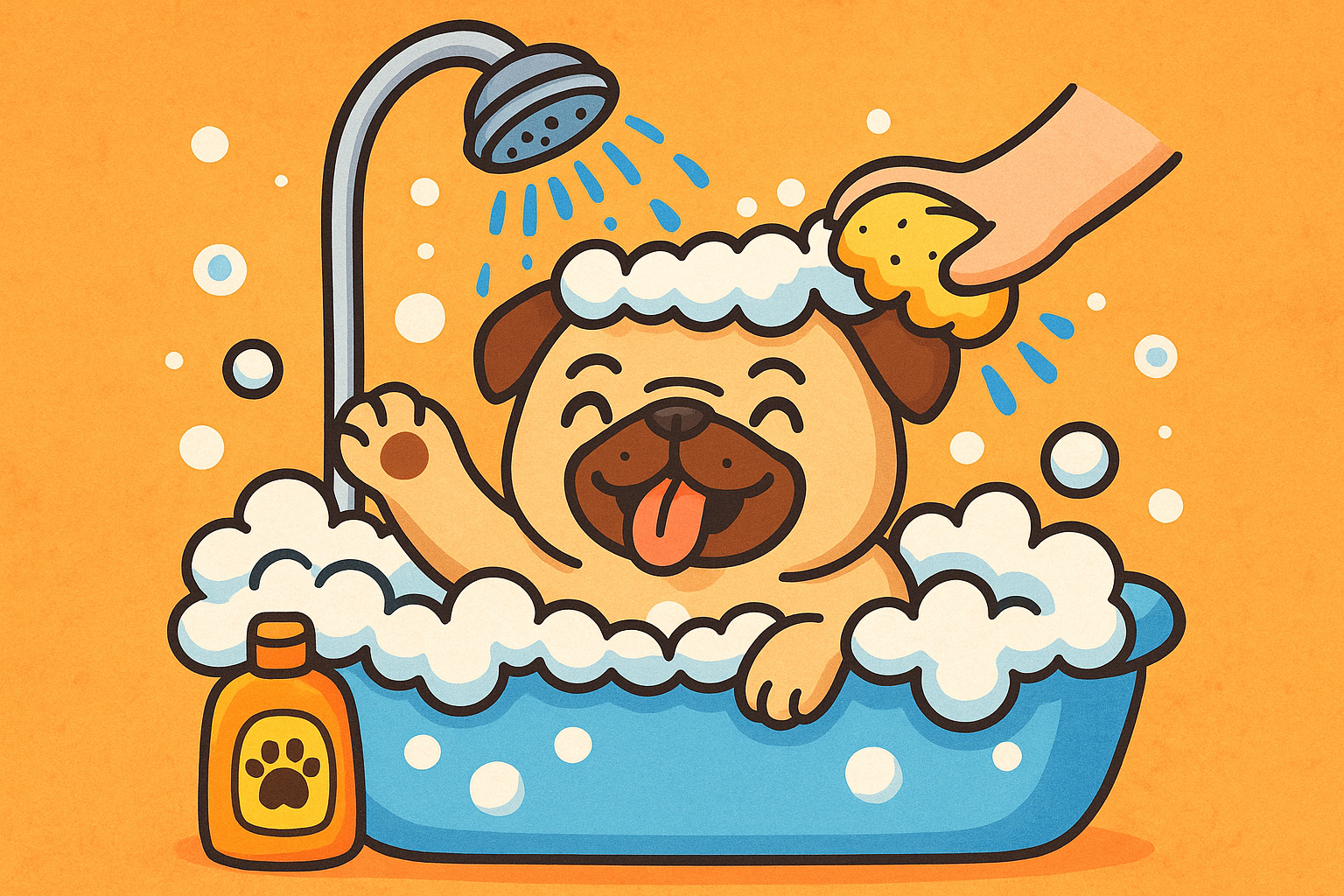
Correct bathing and grooming habits are crucial management methods for preventing and treating skin conditions. The bathing frequency varies depending on the dog's skin condition and activity level, but once every 3 to 6 weeks is generally appropriate. Excessively frequent bathing can damage the skin's natural protective barrier, potentially worsening dryness. If skin disease is present, medicated shampoo containing ingredients that suppress bacteria or fungi should be used as prescribed by a veterinarian. When using medicated shampoo, it is crucial to lather it up and allow it to remain in contact with the skin for sufficient time (approximately 5 to 10 minutes) to ensure the medicinal effect takes hold. Use lukewarm water for bathing and rinse thoroughly to ensure no shampoo residue remains. After rinsing, remove excess moisture with a towel. When using a dryer, use lukewarm air, not hot air, to thoroughly dry the skin right down to the deeper layers. This is key to managing skin conditions.
9. The Importance of Environmental Management: Washing Bedding and Maintaining a Clean Living Space
As many causes of canine skin conditions are linked to the living environment, maintaining a clean environment is just as important as treatment. Bedding, cushions, and blankets where your dog primarily sleeps or rests are places where hair, dander, and mites easily accumulate. Therefore, they should be washed regularly in hot water to remove allergens and microorganisms. Additionally, your dog's food and water bowls are prone to bacterial growth, so they must be cleaned and disinfected thoroughly every day. Frequent ventilation of indoor spaces helps reduce the concentration of airborne allergens (such as pollen and fine dust). Utilising vacuum cleaners or air purifiers to enhance the cleanliness of living areas significantly aids in preventing skin conditions. Particularly after walks, it is advisable to establish the habit of thoroughly washing any irritants such as dirt, calcium chloride, or de-icing agents that may have accumulated on the paw pads when your dog returns home.
10. Managing Chronic Skin Conditions: Stress Regulation and Immunity Boosting
Chronic skin conditions not only cause physical issues but also induce severe stress in dogs. This stress can then weaken immunity, creating a vicious cycle that worsens the skin condition. Therefore, stress regulation must be considered an essential element in managing skin conditions. Providing sufficient walking and playtime to relieve stress and creating a stable environment are crucial. Furthermore, comprehensive health management to boost immunity is also vital. Providing a diet rich in high-quality protein and various vitamins and minerals, and administering supplements such as probiotics as recommended by your vet to support gut health, directly influences strengthening the immune system. It is important to remember that chronic skin conditions are fully manageable through the owner's dedicated care and regular veterinary check-ups, and healthy skin can be restored.
Early detection and consistent management are the keys to healthy skin
Canine skin conditions vary greatly in type and cause, but with early detection and consistent management, they are entirely preventable and treatable. It is vital that owners carefully observe their pets to spot early symptoms like itching, redness, or odour that differ from the norm. Fundamental preventative measures include thorough drying after bathing, maintaining appropriate humidity levels, parasite prevention, and nutritional management such as Omega-3 supplementation to strengthen the skin barrier. Should a skin condition arise, visit a veterinary practice for an accurate diagnosis and tailored treatment, rather than attempting self-treatment. We ask for your continuous love and effort to ensure our dogs no longer suffer from itching and can maintain healthy, lustrous skin.


댓글