Three actions owners should take in a dog skin disease emergency: An immediate response guide
Dog skin disease symptoms that suddenly worsen dramatically, or when your pet shows signs of panic due to severe pain and itching, should be recognised not as a simple skin issue but as an emergency situation requiring swift action. Particularly if your dog has excessively licked or scratched the affected area, creating a weeping wound like a hot spot, or if sudden swelling appears on the face or respiratory tract, this could be life-threatening. In such emergencies, rapid situation control, preventing secondary damage, and prompt veterinary attendance are essential. Below, we provide detailed guidance on the three key actions owners should immediately take at home when a canine skin condition escalates into an emergency.
The Complete Guide to Canine Skin Conditions: From Prevention to Treatment, Secrets to Maintaining Healthy Skin
The Complete Guide to Canine Skin Conditions: From Prevention to Treatment, Secrets to Maintaining Healthy SkinCanine skin conditions are one of the most common reasons dogs visit the veterinary clinic, making them a disease requiring ongoing attention and
misc-information.tistory.com
1. Immediately prevent further damage to the affected area: Apply an Elizabethan collar and trim the claws
The primary reason canine skin conditions escalate into emergencies is secondary damage caused by the dog being unable to resist intense itching and persistently licking, scratching, or biting the affected area. Particularly with weeping wounds like hot spots, the dog's saliva and licking behaviour cause bacterial infection and inflammation to worsen dramatically. Therefore, if an emergency arises, the first step is to physically block access to the affected area.
- Immediately fit an Elizabethan collar (collar) to the dog to fundamentally prevent licking of the wound.
- If no collar is available, in an emergency situation, loosely wrap the wound area with clean cloth or gauze to prevent further damage.
- Additionally, to prevent deepening of the wound through scratching with sharp claws, it is advisable to trim the claw tips if possible or to cover them with thin socks to reduce physical impact.
- These physical barrier measures prevent the wound from worsening until arrival at the hospital and create the minimum environment necessary for the veterinarian to provide accurate treatment.

2. Clean and dry the affected area thoroughly: Remove discharge and contaminants
In skin disease emergencies, particularly with hotspots oozing discharge or open wounds, the discharge, blood, and fur matted to the affected area provide an ideal breeding ground for bacteria and fungi. Therefore, before visiting the vet, cleaning the affected area thoroughly, if possible, is highly beneficial in preventing secondary infection.
- First, carefully remove the fur around the affected area to ensure good ventilation. If the fur is matted, use scissors to carefully trim it away.
- Gently rinse the wound area with lukewarm water or sterile saline solution, available from pharmacies, to remove contaminants and pus. Avoid using harsh disinfectants or alcohol, as these can irritate the skin and cause pain.
- After rinsing, ensure the area is thoroughly dried using cool air from a hairdryer or a clean towel. Moisture is a primary cause of microbial growth, so drying is the first step in treatment.
- Never apply human ointments (such as Fusidin or Madecassol) indiscriminately. The ingredients may be unsuitable for dogs, and the ointment's oiliness can cling to the fur, potentially hindering the vet's accurate diagnosis.
3. Check for systemic symptoms and visit the vet promptly: Check for shock and swelling
Inflammation starting as a localised skin issue can affect the entire body, or an allergic reaction can worsen to become life-threatening. Therefore, check your dog's overall condition and proceed to the veterinary hospital without delay.
- Check for breathing difficulties and facial swelling: If sudden allergic reactions cause swelling of the face, eyelids, lips, or tongue, or if breathing becomes difficult, this is the most serious emergency situation. You must rush to the hospital immediately.
- Check body temperature and vitality: If a high fever develops due to worsening skin disease, or if your dog suddenly becomes lethargic and listless with reduced appetite or energy, there may be a risk of systemic infection (sepsis).
- Contact the hospital beforehand: Before travelling to the hospital, you must call to describe your dog's symptoms (e.g., severe hotspots, facial swelling, extreme itching) and confirm whether emergency treatment is available. This crucial step ensures the necessary care is prepared for your pet upon arrival.
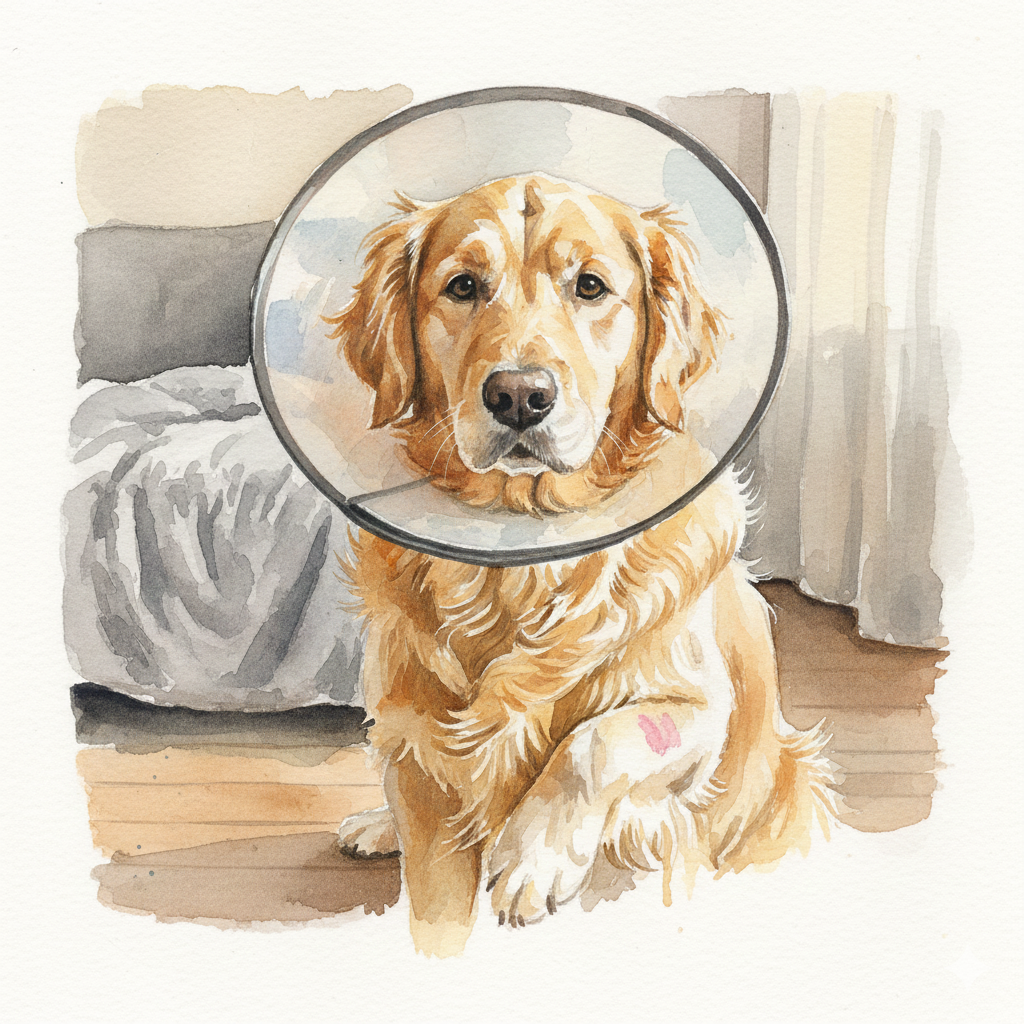
Emergency situations demand calmness and swift action to save lives
Emergency situations involving canine skin conditions can be deeply unsettling for owners, but maintaining composure and taking measures to prevent further damage to the wound are paramount. Applying an Elizabethan collar to prevent licking, cleansing the wound area with clean water and drying it thoroughly, and transporting your pet to the veterinary hospital without delay if systemic symptoms such as difficulty breathing or severe swelling appear are key to safeguarding your pet's health and life. We urge you to carefully observe your dog's skin condition regularly and familiarise yourself with emergency response procedures to ensure your pet's health and safety.


댓글