Cat Nail Care and Scratcher Usage Guide: The Complete Guide to Safe and Stress-Free Management
Cats have the habit of sharpening and grooming their own claws, but indoor cats may experience excessive nail growth, increasing the risk of injury. Particularly, ‘ingrown nails’ that curl inward and pierce the paw pad can cause pain, necessitating regular nail care. Additionally, establishing the habit of using scratchers plays a crucial role in maintaining healthy claws. Today, we'll explain everything in detail: from how to trim your cat's claws, to criteria for choosing a scratcher, and lifestyle habits to keep claws healthy. This guide is designed to be easy to follow, even for first-time cat owners.
Three actions owners should take in a dog skin disease emergency: An immediate response guide
Three actions owners should take in a dog skin disease emergency: An immediate response guideDog skin disease symptoms that suddenly worsen dramatically, or when your pet shows signs of panic due to severe pain and itching, should be recognised not as a si
misc-information.tistory.com
The Complete Guide to Canine Skin Conditions: From Prevention to Treatment, Secrets to Maintaining Healthy Skin
The Complete Guide to Canine Skin Conditions: From Prevention to Treatment, Secrets to Maintaining Healthy SkinCanine skin conditions are one of the most common reasons dogs visit the veterinary clinic, making them a disease requiring ongoing attention and
misc-information.tistory.com
1) Why is cat nail care important?
Cat nails grow quickly and become sharp, requiring regular maintenance for indoor cats. Overgrown nails can cause pain when jumping or landing and may curl inward, piercing the paw pad and causing ingrown nail issues. Older or overweight cats, especially, need more frequent care as reduced activity prevents them from naturally wearing down their nails. Scratching furniture or causing injuries to people can also occur due to excessively sharp claws. Nail care is not merely cosmetic; it is essential for your cat's overall health and safety. It's important to develop the habit of regularly checking the length of their claws and the condition around their paw pads.
2) How to Trim Cat Nails: Safely and Without Stress
The most important thing when trimming a cat's nails is to keep the cat in a ‘stable position’. Forcing them can cause significant stress, so it's best to approach slowly in a quiet environment. When trimming, it's safest to never touch the pink flesh part called the ‘quick’. It's best to trim only the transparent tip of the nail under bright light. Initially, trim just one or two nails and offer a treat to create a positive experience. Using cat-specific clippers makes it easier to control pressure and reduces accidents. Regular grooming helps cats become accustomed to the process, reducing their stress.
3) The Role of Scratchers: Healthy Claws + Stress Relief
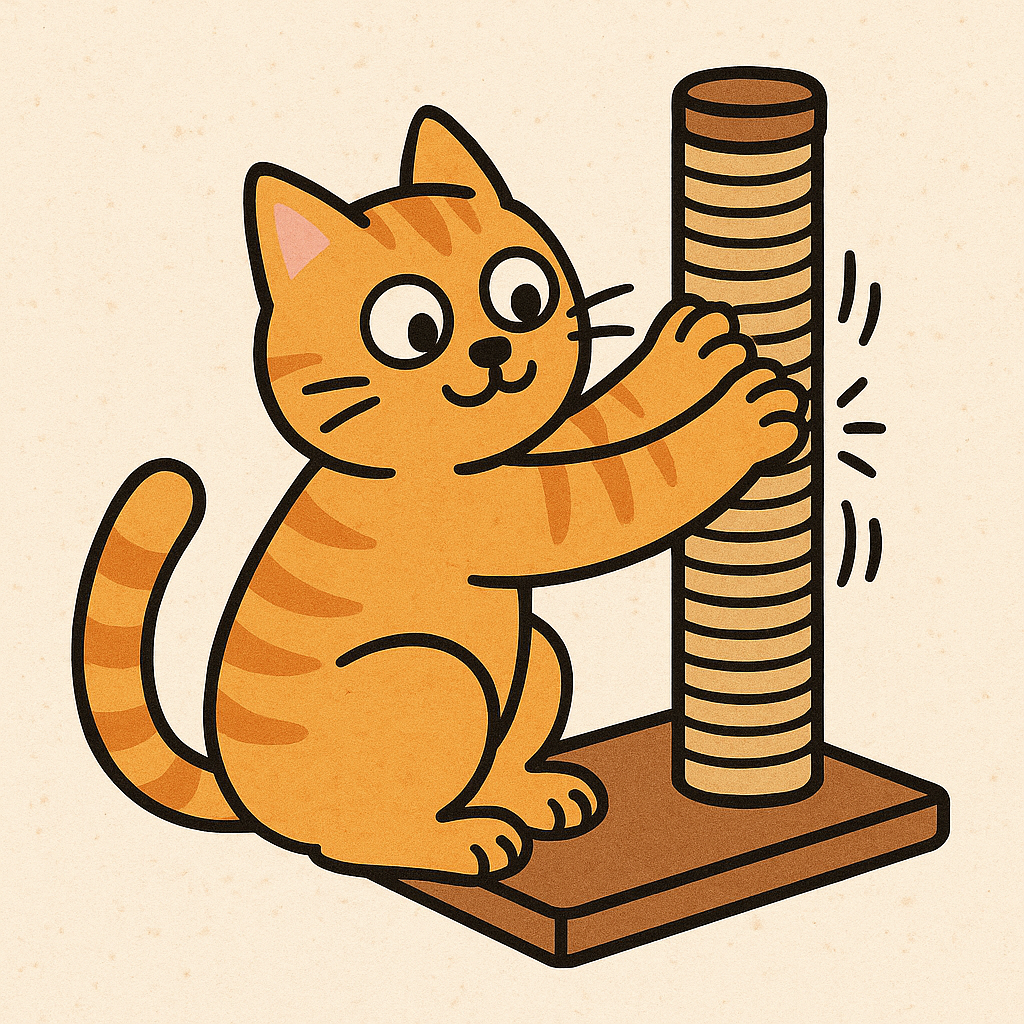
Scratchers are not just toys; they are essential tools for maintaining your cat's claw health and managing stress. Cats scratch to remove loose claw sheaths and leave scent from their paw pads to mark their territory. Cats that frequently use scratchers naturally trim their claw tips, reducing the need for nail clipping. They also provide a stretching effect, helping cats use their entire body muscles. Scratchers alleviate boredom, preventing destructive scratching behavior. Providing sufficient scratchers significantly reduces furniture scratching issues.
4) Features of Different Scratcher Types: Which Product Should You Choose?
Scratchers are broadly categorized into cardboard, carpet, pillar, sofa, and lounge types. Cardboard scratchers offer excellent value for money and feature a texture most cats enjoy. Pillar scratchers allow standing scratching, which is great for full-body stretching. Carpet-type scratchers suit cats who enjoy scratching the floor, while sofa-type scratchers provide both a resting spot and scratching functionality. Placing multiple types of scratchers around the house is more effective for preventing behavioral issues than relying on just one type. Additionally, placing scratchers along your cat's frequent movement paths is key to increasing usage frequency.

5) Scratcher Placement Tips: Finding Your Cat's ‘Preferred Spot’
Scratcher usage varies significantly based on location. Cats tend to use objects placed near the center of their territory, so position scratchers near living rooms, windows, or cat towers rather than in corners. If furniture scratching is an issue, place a scratcher next to the affected furniture to naturally encourage substitution behavior. Using catnip or treats to help your cat adapt to a new scratcher is also a good idea. Moving an unused scratcher to a different location often increases its usage frequency. Cats are sensitive to routines, so try to keep the placement familiar.
6) Claw and Paw Pad Care: Methods to Reduce Irritation and Maintain Health
It's important to check the condition of the paw pads, not just the claws. If the pads are dry, they can crack and cause pain; using a humidifier or adjusting indoor humidity can help. Cleanliness is also crucial; sand lodged between the pads can easily cause irritation, so regularly wiping them with a soft wet wipe is recommended. If the nail sheath doesn't shed properly or the nails become excessively thick, it could signal a health issue. If your cat frequently licks its legs or paws, a veterinary checkup is recommended.
7) Why Cats Dislike Nail Care and How to Address It
Cats usually refuse nail trimming due to ‘fear’ and ‘pain memories’. If you accidentally touched the quick in the past, that experience likely remains, making them resistant to grooming. In such cases, trim only briefly and immediately offer a reward to build positive associations. Avoid forcing them; instead, encourage them to climb onto your lap voluntarily. Additionally, frequent practice of touching their paws reduces tension. Since each cat has different tendencies, the key to successful nail care is ‘slowly getting accustomed’ rather than coercion.
Nail Care + Scratcher Routine is the Most Reliable Way to Protect Your Cat's Health
Cat nail care is not just grooming; it's essential health care. Proper use of scratchers allows claws to wear down naturally while reducing stress. When regular nail trimming, strategic scratcher placement, and paw pad care work in harmony, your cat's daily satisfaction significantly improves. Even novice owners can create a comfortable and safe environment for their cat by learning the right methods and maintaining consistent care. Nail care is an important routine that gifts both owner and cat a comfortable life.


댓글