Causes and Solutions for Cat Stress — True Happiness Comes from a Calm Mind
Cats experience stress just like humans.
They simply cannot express it verbally, so they send signals through their bodies and behaviour.
If they suddenly hide, refuse food, or display more aggressive behaviour than usual, it means “I'm feeling a bit anxious lately”.
Today, we'll explore why cats get stressed and gentle ways to help them relax.
1) Environmental Changes — A Big Deal for Cats!
Cats are creatures that find comfort in familiar surroundings.
They experience significant stress when their environment shifts, such as rearranging furniture, moving house, or changes in family composition.
Unfamiliar smells or sounds can also feel threatening to them.
In such cases, it's better to give them time to adapt gradually rather than introducing sudden changes.
If moving furniture, leave a blanket or cat tower behind to help familiarise the scent, and ensure they can feel ‘this is my spot’ in the new space.
2) Stress from other animals or people
New pets, visitors, or babies can feel like “intruders” to cats.
This is because cats are creatures that value their own territory.
In such cases, the key is to separate their individual spaces and allow them to gradually become familiar with the scent.
Forcing them together from the outset can lead to fighting or fear.
Over time, they will slowly come to accept, thinking, ‘Ah, that friend isn't a dangerous presence after all.’
3) Anxiety stemming from meal or litter tray issues
Cats feel anxious if their food flavour suddenly changes or their litter tray location shifts.
Being highly sensitive to smells, even minor changes can trigger a rejection response.
If you notice they're not eating or avoiding the litter tray, you must carefully identify the cause.
Maintaining clean litter, consistent feeding locations, and a quiet environment are fundamental.
If appetite loss persists for several days or diarrhoea/vomiting recurs, it may indicate a health issue beyond simple stress, necessitating a veterinary check-up.
4) Owner's indifference — Cats feel loneliness too
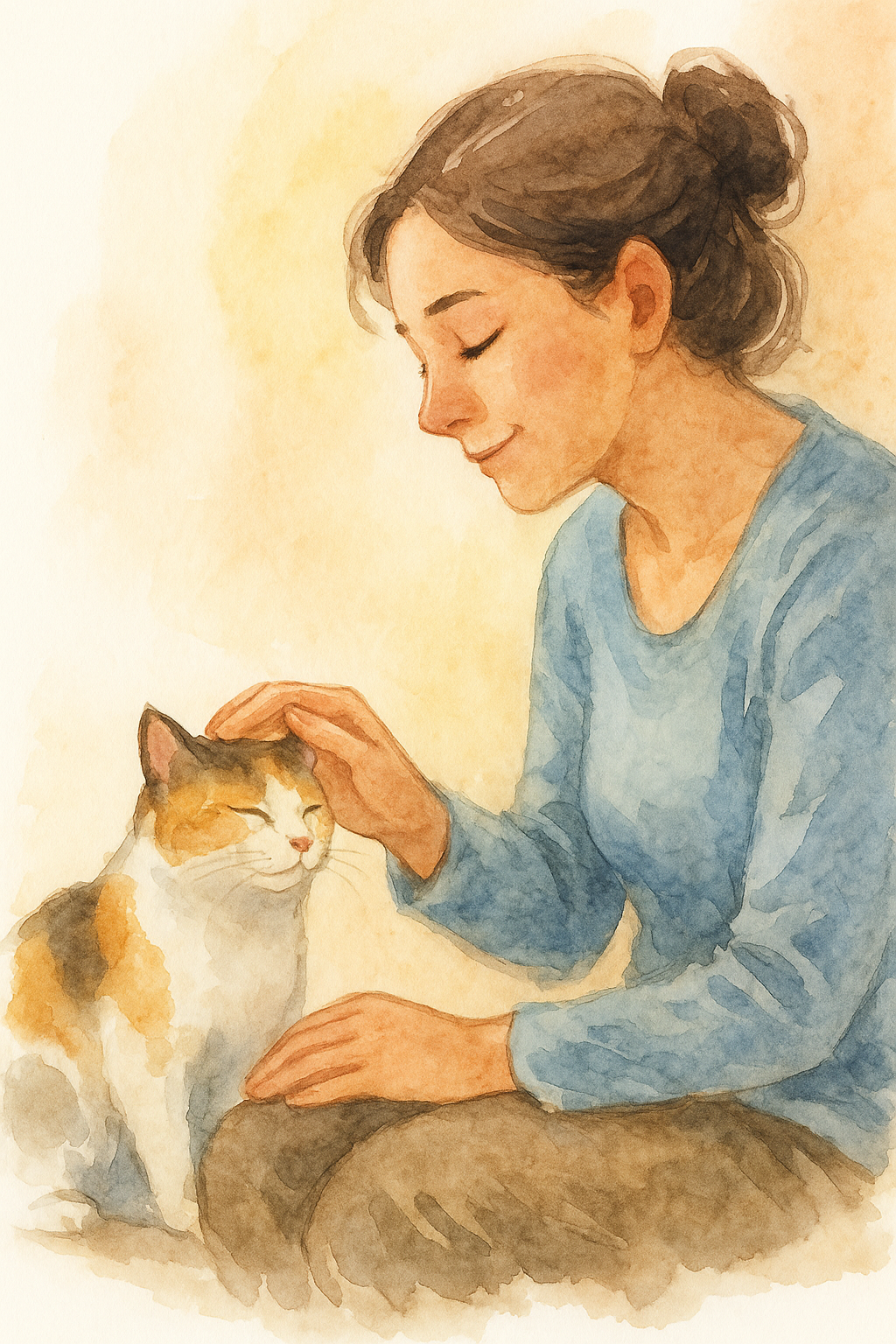
Though cats appear independent, they actually crave attention.
If the owner is busy or interacts less than usual, the cat may feel neglected, thinking, ‘I guess I'm not wanted anymore...’ and become lonely.
Emotional distress can increase significantly the longer they are left alone at home.
Even for short periods, speak to them gently and engage in simple play frequently.
Just a few minutes of interaction can transform a cat's day.
5) Summary of Solutions — “Security” is key
- Avoid sudden environmental changes; maintain familiar scents
- Introduce interaction with other animals gradually
- Maintain consistent feeding and litter routine
- Allocate at least 10 minutes daily for play and bonding
- Consult a vet immediately if health concerns arise
Cats are perceptive creatures.
A guardian's warm gaze and small acts of care bring peace to a cat's heart.
Cat stress isn't “problem behaviour” but a signal asking for help.
With a little observation and patience, they'll return to their usual adorable self.
A contented heart means a shiny coat and a hearty appetite. 😺
Today, try viewing the day from your cat's perspective.


댓글