Health Management for Senior Dogs: Key Checkpoints to Monitor as They Age
As dogs grow older, both their bodies and minds begin to change.
Senior dogs may experience weakness in various areas like joints, vision, and digestion, making careful management by their owners all the more important.
‘Senior dog care’ isn't something extraordinary; it starts with small daily considerations and adjustments.
This article outlines the key habits and checkpoints owners should prepare for their aging companion.
1. Regular Health Checkups
Early signs of illness in senior dogs can be subtle. Early detection through regular checkups can significantly improve their quality of life.
- Consider visiting the vet at least once a year, ideally every six months.
- Regularly check kidney, liver, and joint health through blood tests, urine tests, and physical evaluations.
2. Joint and Musculoskeletal Protection
As dogs age, joint strain increases, making walking or running difficult. Slippery floors and high stairs become hazards.
- Place rugs or yoga mats on floors to prevent slipping, and install ramps or step aids on stairs.
- Gentle walks and light stretching exercises provide beneficial joint stimulation without strain.
3. Customized Diet and Nutrition Management
Senior dogs have reduced energy needs and altered digestive function, so maintaining a standard adult dog diet can be burdensome. Adjustments are necessary.
- Consider switching to high-protein, low-calorie food designed for senior dogs.
- Beyond food, consult your veterinarian about nutritional supplements like salmon oil (omega-3) and chondroitin/glucosamine (joint support).
4. Environmental & Safety Adjustments
As mobility decreases and reactions slow, senior dogs may experience small accidents more frequently at home. Proactively modifying the environment can significantly reduce risks.
- Install stairs or ramps for accessing beds or sofas, and use non-slip mats.
- Place food and water bowls in less tiring locations, and use night lights if lighting is dim.
5. Maintaining Emotional and Cognitive Health
As dogs age, their cognitive abilities can decline. It's important to care not only for their physical environment but also their ‘mental health’.
- Provide mental stimulation through puzzle toys, scent-tracking games, and similar activities.
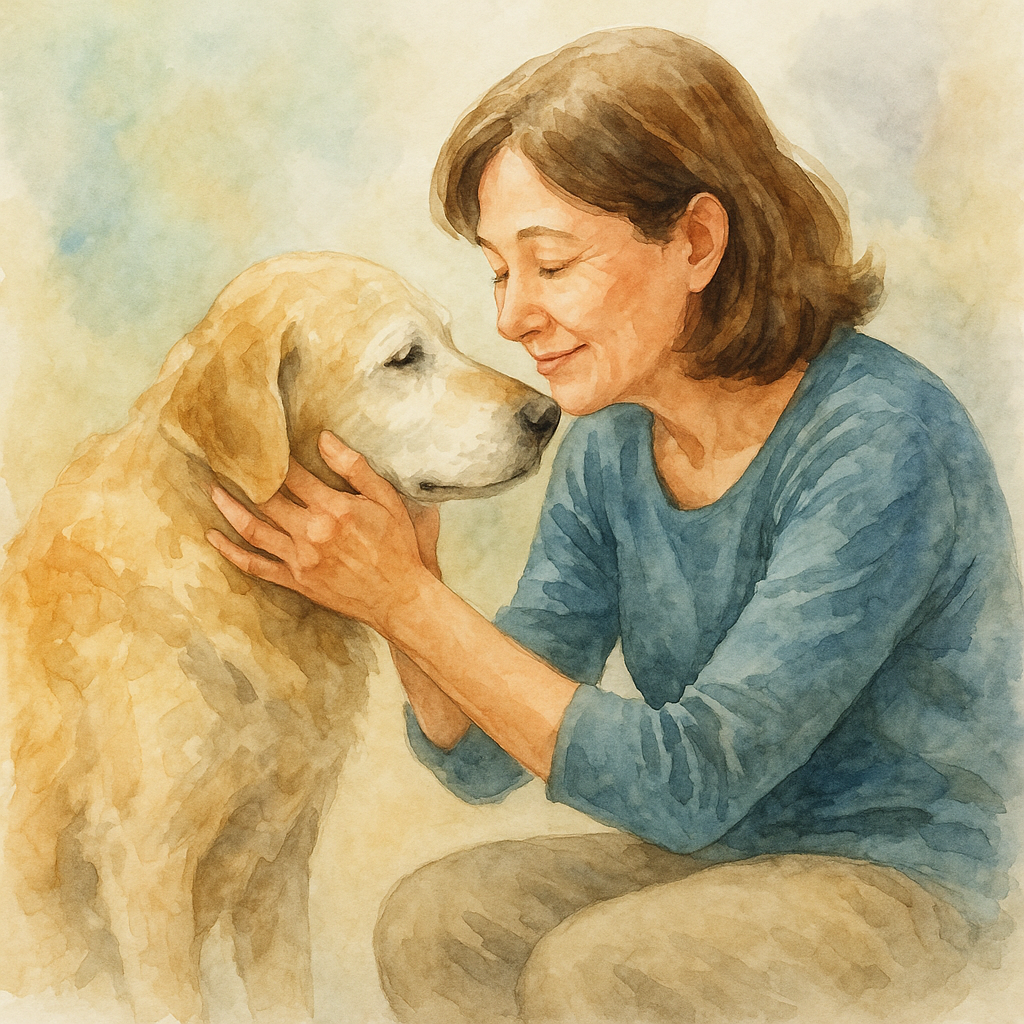
- Increase bonding time with the owner and reduce stressors to enhance the senior dog's quality of life.
Caring for senior dogs begins not with “excessive treatment” but with “consistent attention and consideration.”
By integrating these five elements—health checkups, joint protection, customized diet, environmental adjustments, and emotional stimulation—into daily life, your senior dog can maintain vitality and stability.
“May the time ahead feel as precious as the time we've shared together.” Start implementing small changes today.


댓글