What to Do When Your Cat Won't Eat: Essential Tips Every Cat Owner Should Know
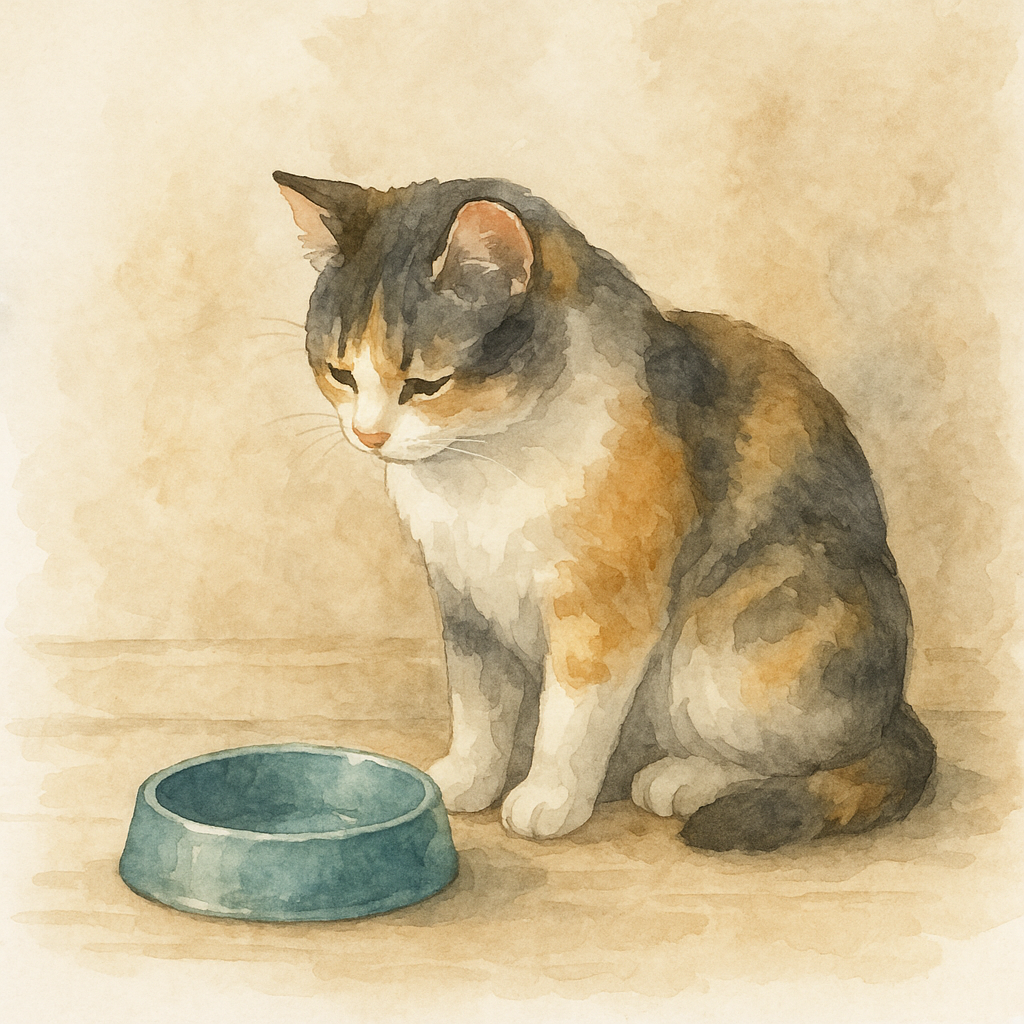
Have you ever gone to feed your cat as usual, only to find it hasn't touched its food? Thoughts like “What's going on?” immediately spring to mind, along with various possibilities. When your cat suddenly stops eating, it's a psychologically heavy issue for any owner.
This article combines various cat owner experiences and veterinary advice to introduce how to respond when your cat refuses food.
How Long the Refusal Lasts Matters
If your cat skips meals for more than a day, it could signal a “worrisome change.”
For adult cats, not eating for over 24 hours significantly increases the risk of serious problems, so caution is needed.
However, since each cat has different eating habits and may occasionally lose their appetite, it's necessary to observe the refusal pattern for a day or two.
Possible Causes
① Stress & Change
Environmental changes like rearranging furniture, moving, or visits from unfamiliar people or animals can stress cats.
When stressed, they may refuse food because the “atmosphere for eating” isn't right.
② Food Change & Palatability
Switching their usual food or poor storage conditions that alter smell or texture can cause temporary refusal.
Some cats are sensitive to texture (crunchiness, particle size) or temperature (too cold or chilled).
③ Health Issues
Tooth pain, oral diseases, mouth ulcers, gastrointestinal issues, reduced kidney function, or infections can all decrease appetite.
If food refusal lasts several days, it could indicate a health problem, making a veterinary diagnosis essential.
④ Age & Digestive Changes
As cats age, their digestive ability or sense of taste may change. Reduced activity can also lead to decreased appetite.
Practical Solutions for Guardians
① Check Food & Improve Palatability
- First, verify if the current food is spoiled or expired.
- Warm it slightly to enhance aroma, or mix in wet food to soften it.
- If switching foods, gradually adjust the mixing ratio and transition slowly.
② Organize the Meal Environment
- Place the food bowl in a quiet, stable space.
- Minimize noise and distractions around the eating area.
- Try different types of bowls (stainless steel, ceramic, etc.) — Some cats may be sensitive to smells or materials.
③ Feed Small Amounts Frequently
- Feeding small amounts frequently is less stressful than giving large portions at once.
- You can divide the food into several portions throughout the day and monitor their response.
④ Assist with hydration
- Ensuring they drink enough water is crucial.
- Canned food (wet food), cat-specific broth, or placing multiple water bowls can help.
⑤ Avoid forcing them to eat
- Trying to force-feed them due to your anxiety can cause stress for the cat.
- However, if medical intervention is deemed necessary, options like veterinary prescription or tube feeding may be available.
Warning Signs Checkpoint
- If loss of appetite persists for over 48 hours, veterinary care may be needed.
- Visit the vet immediately if vomiting, diarrhea, blood in urine, or rapid weight loss occurs.
- Seek immediate veterinary care if lethargy, shortness of breath, or excessive drooling is observed.
A cat refusing food isn't just a bad habit; it can signal issues with both body and mind.
As a guardian, first check the causes one by one, approach gently, and if changes persist long-term, always seek a veterinarian's diagnosis.
Being sensitive to small changes can become an opportunity to build stronger trust with your companion cat.


댓글