Puppy Socialization Training: When Should You Start? The Complete Guide
When you welcome a puppy into your family, endless surprises and love begin from the very first meeting.
However, if your companion dog struggles to adapt well to people, other animals, or their environment, both the guardian and the puppy will experience stress.
The crucial factors here are ‘when’ and ‘how’ to begin socialization training.
Providing appropriate experiences at the right time greatly increases the likelihood your puppy will grow into a confident and sociable companion.
Below, we'll explore key points by age and practical application tips in detail.
1. Early Puppy Socialization Period: 3–12 Weeks Old
This period is crucial as it's when a puppy first steps into the world and begins forming reactions to people, other animals, and the environment. Positively experiencing diverse stimuli changes the equation ‘new = fear’, fostering social skills. During this time, it's better for owners to let the puppy encounter things naturally rather than forcing exposure. For instance, visits from family or friends, quiet outings, and meetings with other healthy dogs can help build positive memories. Conversely, missing this window can lead to lifelong anxiety around strangers, unfamiliar sounds, or other dogs.
2. Positive Interaction Experiences with People
Socialization training isn't just about “staying calm in front of others”; its core purpose is helping the puppy recognize people as ‘safe and good beings’. When the owner frequently calls and pets the puppy, and encourages encounters with people of various ages, genders, and clothing styles, the puppy builds trust in people. During this process, treats or praise create the association ‘people = good’ for the puppy. Additionally, forcing a puppy to be held or exposing them aggressively can actually trigger rejection. Therefore, it's crucial to increase experiences slowly, at the puppy's own pace.
3. Adapting to Other Animals and External Environments
A puppy's sense of security in daily life is determined by how they react to environmental stimuli like other animals, new places, noises, and vehicles. The key here is safe and positive exposure. Short play sessions with healthy, well-socialized other dogs, visiting new places during walks, and experiencing various floor textures and sounds are helpful. However, if vaccinations are incomplete or the puppy is tired, excessive exposure can cause stress and fear. These environmental adaptation experiences form the foundation for the puppy to develop a ‘calm demeanor in unfamiliar situations’ as an adult dog.
4. Consistent Training and Habitual Reminders
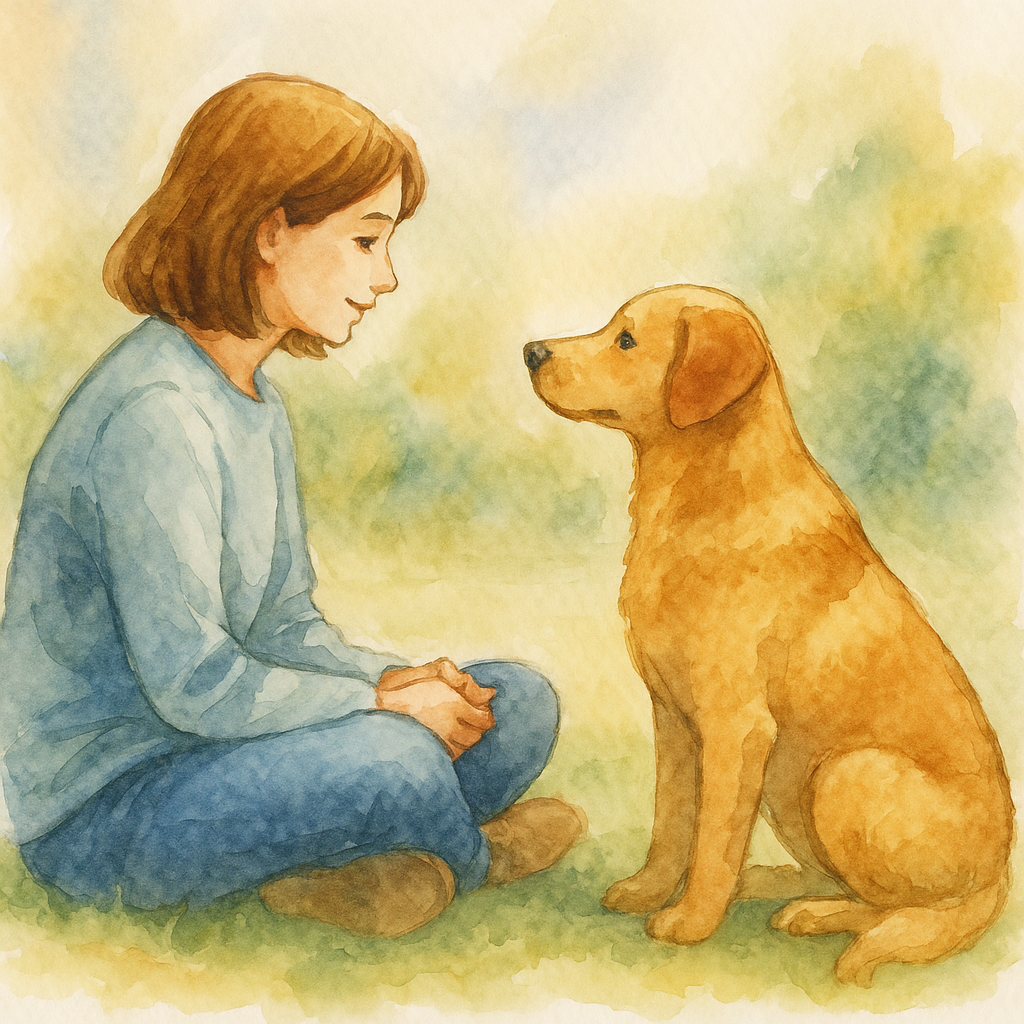
Socialization isn't a one-time training event; it grows through daily experiences. Praise your puppy when they react positively in different situations, and if they show anxiety, give them appropriate space. Additionally, calling their name, basic commands (sit, stay), and short walks help your puppy focus on your commands even outside the home. Consistency in approach and routine among family members reduces confusion for the puppy. This daily training and trust-building are essential for raising a stable and happy companion dog.
5. The Difference Between Starting Early and Starting Late
Research shows that starting socialization training early in life leads to faster adaptation and less stress. But don't worry, “Is it too late to start now?” Even dogs started late can change with slow, consistent approaches. If you missed the early window, it requires more patience and strategy, and you might consider professional help. The key is ‘starting’ and ‘proceeding slowly from the puppy's perspective’.
Socialization training is the start of building a relationship and the foundation for a stable life together for both owner and dog. Starting at the right time, building trust through diverse experiences, and maintaining consistent effort in daily life are crucial. Starting today, provide your dog with more experiences and opportunities through small changes. Through these changes, your dog will grow into a more comfortable and social companion.


댓글