Alcohol and Smoking: Why They Become More Dangerous After Your Forties and Strategies for Cutting Down Wisely
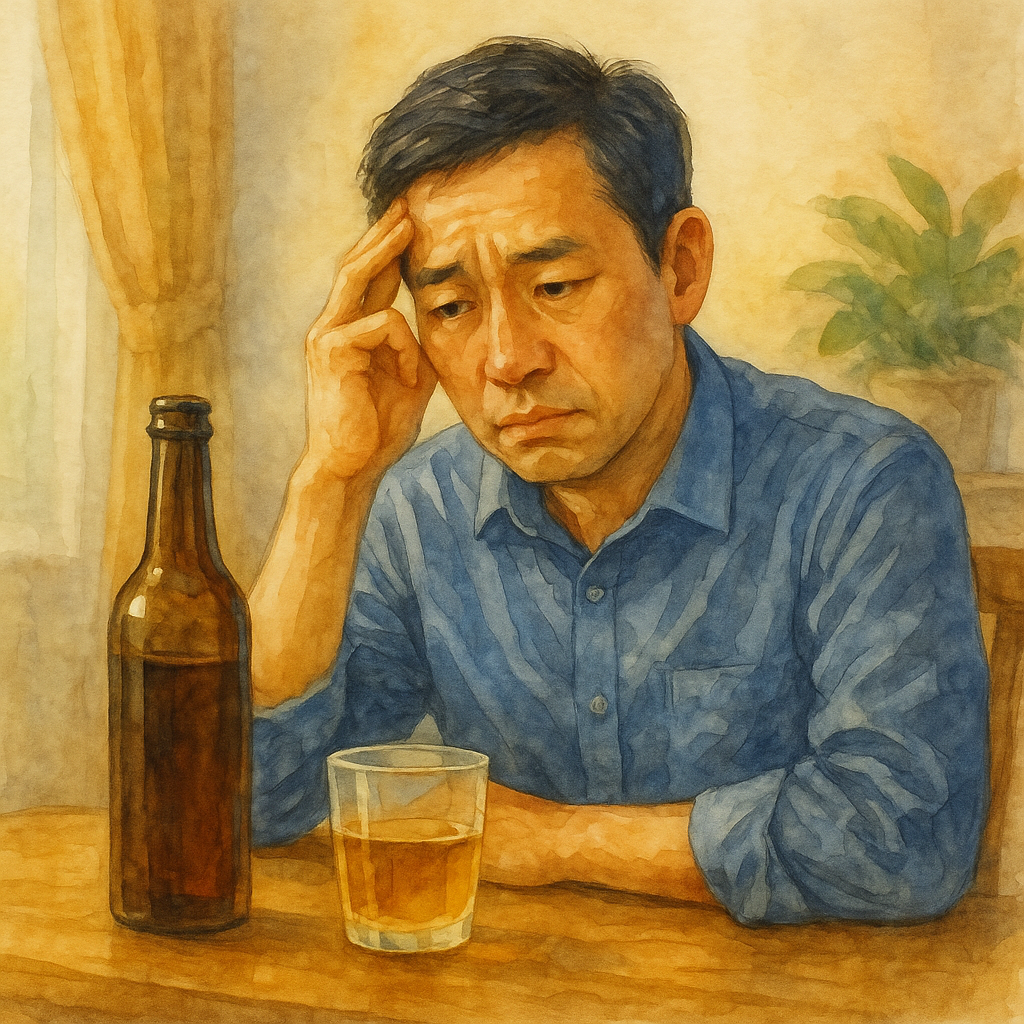
Upon reaching your forties, the body's recovery rate naturally slows down, and even minor lifestyle habits begin to significantly impact health. Among these, alcohol consumption and smoking place a burden on the body in entirely different ways compared to one's twenties and thirties, becoming major factors that greatly increase the risk of chronic diseases. Yet many dismiss it lightly, thinking ‘this much should be fine,’ or continue habitually under the guise of stress relief. Fortunately, with a little strategy, both alcohol and smoking can be significantly reduced, and the body begins sending positive signals almost immediately upon cutting back. Today, we detail the impact of alcohol and smoking on health after 40 and the most realistic reduction strategies.
1) Why is drinking more dangerous after 40?
From one's forties onwards, the liver's detoxification efficiency declines, and the rate of alcohol breakdown tends to slow. Even when consuming the same amount, the next day brings more severe headaches, abdominal discomfort, and poorer sleep quality, with a higher risk of elevated blood pressure or worsening fatty liver disease. It particularly reduces deep sleep (REM sleep) during the sleep cycle, leaving one feeling more sluggish in the morning despite a full night's rest. Furthermore, alcohol is closely linked to decreased muscle strength and mass in middle-aged and older adults, thereby lowering metabolism. For these reasons, simply “reducing the amount” consumed after one's forties can noticeably improve overall condition.

2) The impact of alcohol consumption on weight, skin, and hormones
Alcohol is high in calories yet fails to induce satiety, often leading to overeating. It is frequently consumed alongside late-night snacks, simultaneously exacerbating blood sugar fluctuations, heartburn, and fat accumulation. Skin is also significantly affected by alcohol, with increased dehydration, redness, and inflammatory responses often resulting in noticeable loss of elasticity and changes in complexion. For women, this can exacerbate periodic facial flushing or hot flushes, intertwined with hormonal fluctuations around menopause. While these factors present short-term condition issues, long-term management is essential as they can lead to metabolic disorders, skin ageing, and weight gain.
3) Why smoking becomes more detrimental after the forties
Smoking significantly elevates not only reduced lung function but also vascular health and cardiovascular disease risk. As vascular elasticity naturally declines after the forties, smoking inflicts greater damage. It damages the inner walls of blood vessels, raising blood pressure and accelerating “atherosclerosis” – the narrowing or hardening of arteries. Furthermore, the rate of skin elasticity loss and wrinkle formation becomes more pronounced, while reduced metabolism slows physical recovery. Particularly if chronic coughing, breathlessness, or phlegm production frequently occur, this signals weakened lung function and should prompt consideration of quitting.
4) Smoking's impact on sleep, stress, and emotional wellbeing
Nicotine continuously stimulates the brain, creating a temporary sense of calm, yet simultaneously heightens anxiety and irritability. As individuals in their forties often face significant stressors from work, family, and finances, smoking may offer momentary relief, but this is frequently followed by a stronger “rebound stress” effect. Furthermore, nicotine repeatedly disrupts the sleep cycle, causing early morning awakenings or contributing significantly to accumulated fatigue in the morning. After smoking, heart rate increases and deep sleep stages decrease, slowing the body's recovery rate. Ultimately, while smoking may feel like a means to reduce stress, it actually creates a vicious cycle that accumulates fatigue.
5) Six practical strategies to reduce alcohol consumption
First, designating “drinking days” and limiting them to once or twice a week is effective. Establishing a fixed pattern helps the brain naturally recognise the “no-drinking pattern on weekdays”, reducing compulsion.
Secondly, a good strategy is to halve the amount consumed. For example, simply set limits like one bottle of soju → half a bottle, or two cans of beer → one can.
Thirdly, using the water-alcohol alternation method—drinking one glass of water followed by one drink—significantly improves next-day condition.
Fourthly, avoid drinking on an empty stomach; consuming alcohol alongside snacks containing protein and vegetables reduces blood sugar fluctuations and hangovers.
Fifthly, replacing drinking engagements with exercise plans is highly practical. Sixthly, actively choosing alcohol-free meeting places (cafés, walks, hobbies) enables natural reduction.
6) Six-step routine to reduce smoking
The first step is the time reduction strategy. Gradually increase the interval between cigarettes from 30 minutes → 1 hour → 2 hours to reduce the frequency. The second is trigger removal. Identify factors that trigger smoking, such as coffee, alcohol, or stressful situations, and introduce alternative behaviours (walking, stretching). The third is restricting smoking locations. Prohibiting smoking at home or in the car, and only allowing it in designated areas, will significantly reduce daily consumption. The fourth step involves using cessation aids (patches, gum) to alleviate initial withdrawal symptoms. The fifth step is informing those around you of your intention to quit; this fosters accountability and increases success rates. The sixth step is highly effective: completely removing lighters and cigarettes from sight to avoid the temptation of “just one cigarette”.
7) Changes observed 2–12 weeks after reducing alcohol and tobacco consumption
Within two weeks, you may begin noticing improvements in sleep quality and reduced morning fatigue. By four weeks, skin tone and complexion brighten, while the frequency of heartburn, oedema, and headaches decreases. At eight weeks, lung function and blood pressure often improve, and chronic fatigue frequently diminishes significantly. After 12 weeks, changes appear across daily life, such as stabilised weight, restored muscle strength, and reduced persistent coughing. Most notably, you feel “breathing becomes easier”, which is due to actual improvements in alveolar and vascular health. These changes are a physiological recovery process that occurs in everyone; once you start, your body responds quickly.
8) Psychological Strategies for Weight Loss and Smoking Cessation in Your 40s
For those in their 40s, environmental design is more crucial than sheer willpower. The key is breaking the “habit loop” that links smoking or drinking to specific situations. For instance, replacing routines like work → convenience store → beer, or coffee → cigarettes with alternative behaviours is effective. Substitute actions should provide immediate satisfaction, such as a 10-minute walk, showering, drinking water, or having a protein snack. Furthermore, setting identity-based goals such as ‘I am someone who reduces alcohol consumption’ or ‘I am someone who manages smoking’ significantly increases sustainability. Tracking progress weekly via a log app or checklist also greatly aids continuity.
After your forties, alcohol and smoking shift from ‘a little is okay’ to ‘management is now essential’. However, for both habits, aiming for complete abstinence is less sustainable than adopting a reduction strategy for a more realistic approach. Starting today, try implementing just three actionable strategies: designating drinking days, increasing the interval between cigarettes, or practising the water-alcohol alternation method. Your body will swiftly send signals of recovery, and you will discover a significantly improved version of yourself across energy, sleep, skin, and stamina.


댓글