Creating the Optimal Sleep Environment: 9 Ways to Optimise Light, Noise and Temperature
The saying that sleep is the best medicine becomes increasingly true after one's forties. When busy schedules and stress accumulate, it is often the quality of sleep, rather than its duration, that determines success or failure. Fortunately, environmental variables such as light, noise and temperature in the bedroom are factors that can be adjusted relatively quickly. Today, we've detailed scientifically grounded methods for setting up your sleep environment, focusing on light, noise, and temperature. Apply them one by one, and you'll start noticing tangible changes from tonight.
1) Light Management: Designing Illumination to Protect Melatonin
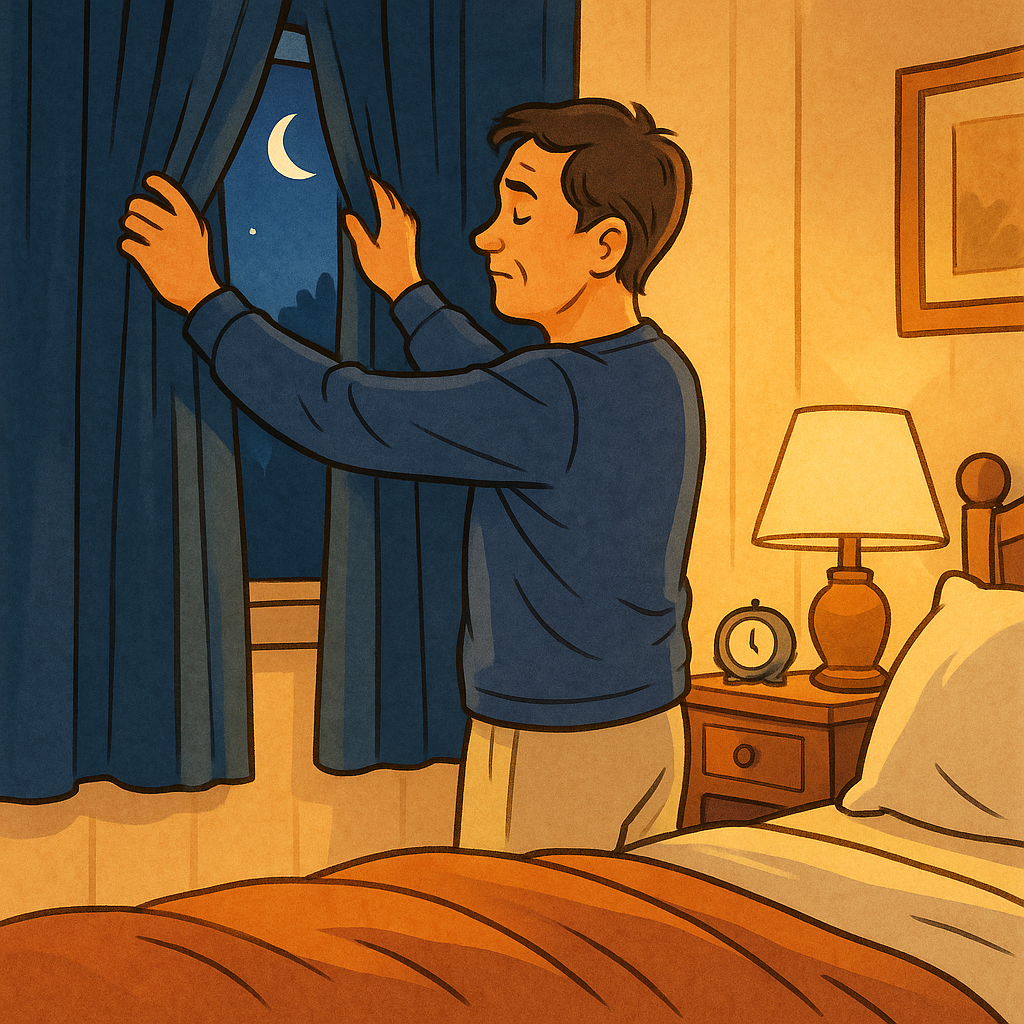
Melatonin, the sleep hormone, is secreted more effectively in darkness, so ultra-low light levels in the bedroom are ideal. Use double-layered curtains: open them fully during the day to reset your body clock, and use blackout curtains at night to block light ingress. For bedside lamps, use bulbs with a colour temperature of 3000K or lower, and reduce brightness to 30% or less 90 minutes before bedtime. Cover any light seeping in from window frames or electronic device indicators with small stickers or caps. To wake up easily in the morning, set a 15-minute pre-wake light schedule to gradually increase brightness for a smoother rhythm.
2) Blue light·screens: The wisdom of setting an “unlock time”
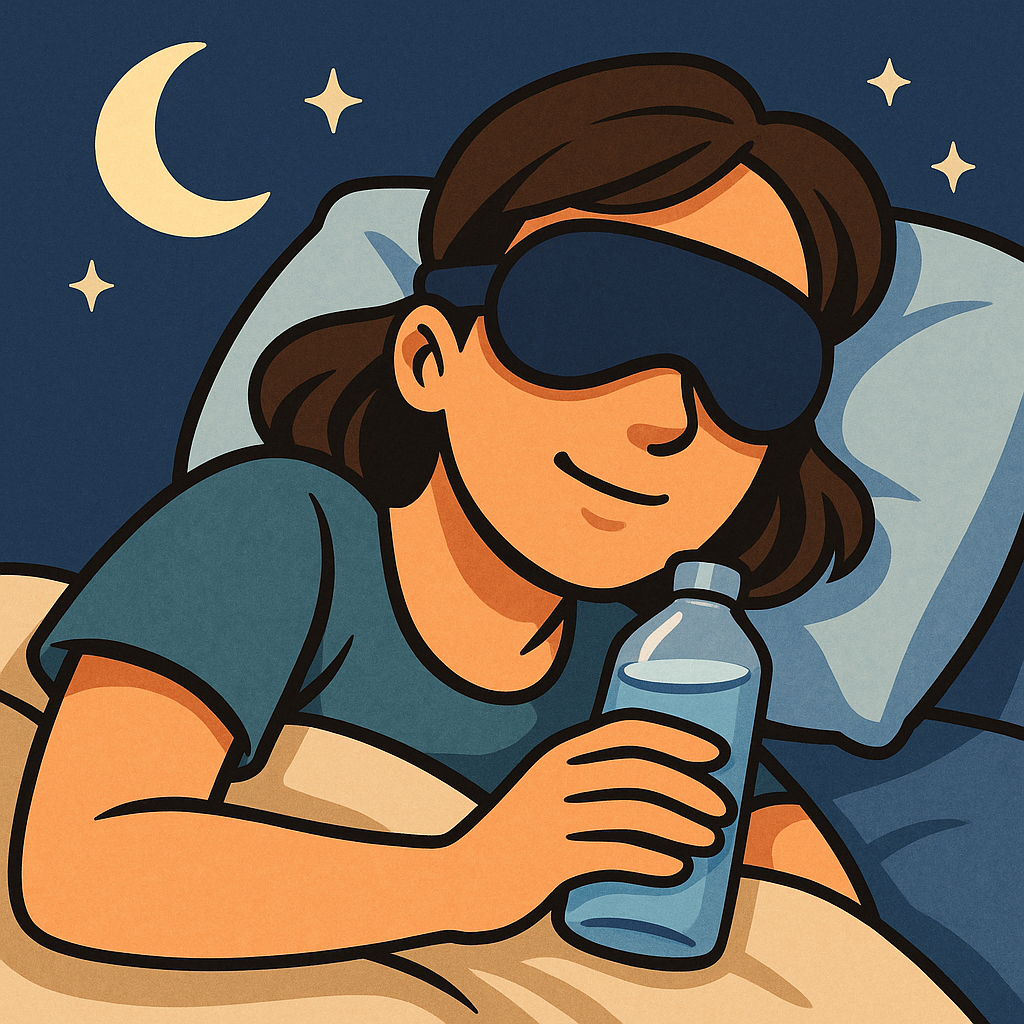
It is beneficial to reduce smartphone and tablet use two hours before sleep. If use is unavoidable, activate night mode·blue light filter and lower screen brightness to the lowest level possible. In bed, instead of scrolling, reading an analogue book for 10 minutes helps calm the mind. Switch notifications to sleep mode to automatically turn off vibration, banners, and LED. For charging near the bed, place it two metres away out of reach to reduce the unconscious habit of checking.
3) Noise management: Opt for predictable sounds rather than “complete silence”
Complete stillness can actually amplify minor noises, so maintain consistent background sound with white or pink noise or the gentle hum of a fan. Reinforce window gaps with soundproofing strips, and if external noise is frequent, use earplugs with an SNR around 30dB. Select an alarm that gradually increases in volume, such as a light-up or vibration type, to gently induce awakening. In shared housing, attach cushioning pads to doors and drawers to reduce night-time impact noise. It is also helpful to establish a predictable rhythm by fixing the times your pet enters and leaves the room.
4) Temperature and Humidity: Settings that allow the body to “cool itself”
As the human core temperature naturally drops just before sleep, a bedroom temperature of 18–20°C is ideal. If cold stimulation is uncomfortable, take a warm shower in the living room before bed, then create a temperature gradient by lowering the temperature upon entering the bedroom. Maintain humidity between 40–60% to prevent dryness of nasal mucosa and skin. When using a humidifier, lukewarm steam and daily cleaning of the water tank are crucial for hygiene. In summer, direct the fan towards the ceiling to create circulating air rather than a direct breeze, promoting sustained deep sleep.
5) Bedding and Mattress: Balancing Pressure Distribution and Heat Dissipation
A mattress with medium firmness, allowing shoulders and hips to sink in gradually, is recommended. Memory foam excels at pressure distribution but traps heat easily; therefore, combine it with a highly breathable topper or gel-infused foam. For pillows, adjust the height so that the neck and shoulders are level when lying on your side. When lying flat, a low slope that only supports the neck curve is stable. Prioritise lightweight pressure points + breathability by varying duvet weight by season. Bedding covers made from materials like cotton or linen that absorb sweat and dry quickly are comfortable.
6) Scent & Air Quality: “Clean air” takes precedence over overpowering fragrances
5–10 minutes of ventilation one hour before bedtime reduces carbon dioxide levels, minimising headaches and early awakenings. Set air purifiers to sleep mode to suppress noise, and keep bedroom doors partially closed to limit external dust ingress. If using fragrance, use only 1-2 drops of low-irritant essential oils like lavender or bergamot in a diffuser. Strong scents can actually increase alertness, so keep it subtle and brief. Late-night cooking smells linger strongly, so ventilate immediately after cooking.
7) Bedtime Routine: Train your body to remember “the same time every day”
Fix bedtime and wake-up times with no more than a 30-minute variation between weekdays and weekends. Automate a routine trio 90 minutes before sleep: dimming lights, a warm shower, and light stretching. Finish evening exercise at least three hours before bedtime and reduce late-night caffeine. Alcohol induces drowsiness but disrupts deep sleep stages and breathing, so minimise intake. Keep the bed exclusively for sleep and rest; maintaining boundaries where work, meals, and screen time are completed in the living room is effective.
8) Stress and Thought Management: Clear the “To-Do List of the Mind”
Before bed, use a three-line journal to write down today's tasks, things you are grateful for, and one thing for tomorrow. Transferring circulating thoughts onto paper reduces rumination. Practise inhaling for 4 seconds and exhaling for 6 seconds for 5 minutes to activate the parasympathetic nervous system. If worries persist, use the “delayed worry technique” by setting a specific time, such as 3:10 pm tomorrow, to dwell on them only then. Listening to a body scan track on a meditation app for 10 minutes also helps relax bodily sensations.
9) Late-night snacks and hydration: A quiet stomach means a quiet mind
Avoid overeating, greasy foods, and spicy foods 2-3 hours before bedtime. Even trace amounts of caffeine in tea, chocolate, or energy drinks can cause alertness. Distribute fluid intake moderately throughout the evening, reducing it to small amounts 1-2 hours before bed to prevent night-time urination. If a late-night snack is necessary, consume only a small amount of something light like yoghurt, banana, or warm milk. A lighter stomach reduces reflux and awakenings, helping maintain deep sleep.
Good sleep is not a matter of willpower or luck, but the result of environmental design. From light, noise, and temperature to routines and eating habits, organising what you can control one by one will change your sleep quality starting tonight. Rather than aiming for perfection, creating sustainable settings is key. Today, start with just three things: dimming your bedside lamp, setting the room temperature to 19°C, and automating your bedtime routine. Tomorrow morning's lightness will prove tonight's choices were right.


댓글