The Importance of Hydration: When and How Much Should You Drink?
Water contains no calories, yet it fuels metabolism, blood circulation, body temperature regulation, and fatigue recovery. Particularly after your forties, as basal metabolism and muscle mass gradually decrease, your ability to sense thirst also tends to become less acute. Relying on coffee, fizzy drinks, or juice makes it easy to miss your daily water requirement, and this is when ‘mild signals’ like headaches, poor concentration, or constipation first appear. Fortunately, drinking water isn't about willpower; it quickly becomes a habit if you design your routine properly. This article summarises ‘how much, when, and what’ to drink in one go.
1) Calculating your daily recommended intake
Generally, body weight (kg) × 30ml is the starting point. For example, someone weighing 65kg would require approximately 2.0L as a baseline. However, factors like hot weather, heavily heated indoor environments, salty foods, or intense exercise can increase this need to 2.5–3.0L. Conversely, if you have medical restrictions such as kidney disease or heart failure, always prioritise your healthcare provider's advice. Unsweetened beverages like coffee or tea also count towards daily fluid intake. However, if you have low caffeine tolerance or a sensitive stomach, prioritise water while aiming for a total of at least 2 litres.

2) When to drink: The “7-point timing” routine
① 1 cup (200ml) immediately upon waking: Replenishes fluids lost overnight and stimulates bowel movements.
② 1 cup after breakfast: Drink water before coffee—eases the stomach and reduces caffeine-induced heartburn.
③ 1 cup before lunch, 1 cup after lunch: Helps prevent overeating and aids digestion.
④ 1–2 cups during afternoon work: Prevents drowsiness and loss of concentration.
⑤ 300–500ml before exercise, 100–200ml every 15–20 minutes during exercise, 300–500ml after exercise.
⑥ 1 cup after dinner: Reduces snack cravings and prevents constipation.
⑦ Avoid large amounts immediately before bed: To prevent night-time urination, drink only a small amount 1–2 hours before sleep.
3) Signs of dehydration and how to self-diagnose
If you experience a dry mouth, headache, dizziness, or fatigue, you may already be mildly dehydrated.
The simplest self-check is your urine colour: clear pale yellow indicates adequate hydration, while dark yellow or amber signals the need for more fluids.
If rings or shoes feel tight by afternoon, or calves feel heavy, this could signal salt + fluid imbalance. On such days, try balancing with water + potassium-rich foods (bananas, spinach) + moderating salty foods. If dizziness or muscle cramps accompany prolonged outdoor activity, consider electrolyte supplementation.
4) What to drink: Water is fundamental, alternative options are as follows
The best choice is clean water. For variety, unsweetened sparkling water, barley tea, lemon water, or herbal tea are good options.
Coffee, black tea, and green tea count as hydration if unsweetened, but reduce afternoon intake if sensitive to caffeine.
Sugary drinks, juices, and energy drinks are not suitable for daily hydration as they quench thirst slowly and cause significant blood sugar fluctuations.
Hydration isn't just about drinks. Pairing your meals with soups, salads, and water-rich foods like cucumber, tomato, watermelon, and pear naturally increases your total fluid intake.
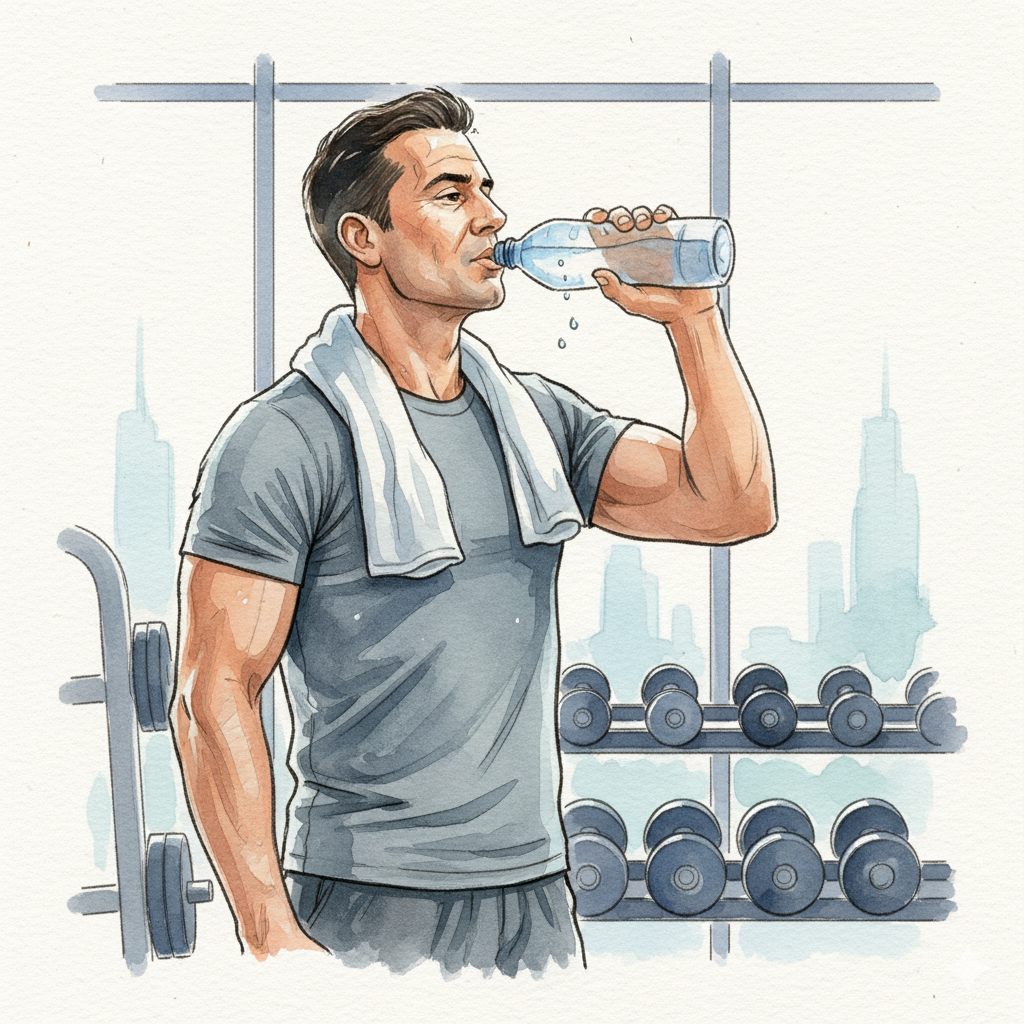
5) Exercise, Sweat, Heat: When Electrolytes Are Needed
If you sweat profusely for over an hour or are in a hot environment, sodium and potassium replenishment is necessary. Commercially available isotonic drinks are convenient but may be high in sugar. A light homemade alternative is also good: 1 litre of water + a pinch of salt (1–2g) + lemon juice + 1 teaspoon of honey. For long-distance activities like marathons, measure your weight before and after and replenish approximately 150% of the weight loss over 2–4 hours. Conversely, for daily walking or light strength training, water alone is sufficient. If using electrolyte supplements, choose products with ‘5–6% sugar or less’ to minimise stomach discomfort.
6) Excessive hydration is also problematic: Beware of hyponatraemia
Consuming excessive amounts of water continuously over a short period can dilute blood sodium levels, potentially causing hyponatraemia. Nausea, headaches, and confusion are warning signs. Particularly during endurance exercise, avoid the habit of drinking ‘only water’ continuously; instead, replenish salts gradually alongside sweating. In daily life, adopt the principle of ‘frequently, in small amounts before feeling thirsty,’ but stay safe by distributing intake within the range of 800–1,000ml per hour. Those with kidney or heart conditions, or during pregnancy or breastfeeding, should follow recommendations from a specialist.
7) Practical tips for immediate use at work or home
Treat one 500ml water bottle as one box and aim to fill four boxes daily. Keep a water bottle beside your computer and place a clear water glass instead of a mug next to the coffee machine at all times.
Drink water before meals: This calms hunger, reduces overeating, and alleviates acid reflux. Make it routine to take one sip before meetings, calls, or household chores to naturally increase your total intake. Use water-tracking apps or smartwatch reminders, or prepare barley tea/herbal tea in a tumbler for the day to combat boredom.
8) Skin, constipation, headaches: How to feel the effects quickly
If your skin remains dry despite increased hydration, apply moisturiser within three minutes of cleansing to lock in moisture and maximise effectiveness. For constipation, the trio of a morning glass of water + dietary fibre (oats/vegetables) + light walking is key. If headaches are frequent, first drink 300ml of water and simply wait 15 minutes. This is the first-line treatment with fewer side effects than caffeine. Very cold water can cause stomach cramps if gulped down quickly, so room temperature or lukewarm water is recommended. Even after just one week of tracking, you'll notice changes in fatigue, concentration, and urine colour.
Hydration isn't about willpower; it's about environment, timing, and planning. Using your weight × 30ml as a guideline, divide your intake between upon waking, before/after meals, in the afternoon, and before/after exercise. This will transform your energy levels, concentration, digestion, and skin condition in your forties.
Start today with these three steps: a glass of water upon waking, a glass of water before lunch, and two afternoon reminders.
As the small cups accumulate, you'll visibly notice your daily condition improving.


댓글