Lifestyle Habits for Dementia Prevention: Brain Health Management You Must Start in Your 40s
Dementia isn't a disease that strikes suddenly; it's a gradual change in the brain that builds up over decades of lifestyle habits. Your 40s and beyond are the most critical period for protecting brain health, as choices made now determine cognitive function in your 60s and 70s. Many people think of dementia solely as an ‘old age disease,’ but in reality, consistent management starting in middle age can significantly reduce the risk. Recent studies indicate that simply improving lifestyle factors like exercise, diet, sleep, and brain activity can greatly lower dementia incidence rates. This article outlines dementia prevention lifestyle habits for those in their 40s to 60s in a concrete and actionable way.
Alcohol and Smoking: Why They Become More Dangerous After Your Forties and Strategies for Cutting Down Wisely
Alcohol and Smoking: Why They Become More Dangerous After Your Forties and Strategies for Cutting Down WiselyUpon reaching your forties, the body's recovery rate naturally slows down, and even minor lifestyle habits begin to significantly impact health. Am
misc-information.tistory.com
1) Consistent Aerobic Exercise: The most powerful way to maintain brain blood flow
Aerobic exercise is a highly effective dementia prevention method that improves blood flow to the brain and promotes the generation of new nerve cells. Aerobic activities like brisk walking, cycling, swimming, and stair climbing help grow the brain's hippocampus (the area responsible for memory). Research indicates that just 150 minutes of aerobic exercise per week can reduce the risk of cognitive decline by over 30%. Exercise alleviates stress and depression, lowering brain fatigue, and also aids in blood pressure and weight management, making it essential for overall health. Consistency and long-term adherence are key, so creating a ‘sustainable exercise routine’ is more important than overly strenuous workouts.
2) Balanced Diet: Antioxidant Foods and Omega-3 Play a Major Role
To protect brain health, vascular health must come first, making it advisable to consume ample foods with antioxidant and anti-inflammatory properties. Vegetables and fruits like blueberries, strawberries, broccoli, and spinach are rich in antioxidants that protect brain cells. Additionally, foods containing omega-3 fatty acids, such as salmon, mackerel, and tuna, effectively support neural transmission functions in the brain and reduce inflammation. Conversely, overly processed foods, trans fats, and high-sugar foods negatively impact brain health and should be minimized. A daily diet centered around whole grains, legumes, vegetables, nuts, and fish is beneficial for dementia prevention.

3) Sufficient Sleep: The ‘Cleaning Time’ for Removing Brain Waste
During sleep, the brain undergoes a process to remove beta-amyloid (a protein associated with dementia). Insufficient deep sleep stages significantly increase the likelihood of this waste accumulating in the brain, making at least 7 hours of quality sleep essential. Maintaining a regular sleep routine and reducing exposure to blue light from smartphones and TVs aids in achieving restful sleep. Additionally, avoid caffeine and alcohol before bedtime, and take 1-2 hours beforehand to calm your body and mind. Sleep deprivation negatively impacts not only memory and concentration but also emotional regulation, making it a key management factor in dementia prevention.
4) Brain-stimulating activities: Learning new things is most effective
One of the most emphasized habits in dementia prevention is activities that repeatedly stimulate the brain. Learning a new language, playing an instrument, reading, writing, solving puzzles or quizzes strengthen the brain's neural networks and slow the degeneration of nerve cells. Continuing only familiar routines makes brain activity monotonous, so intentionally introducing new stimuli is crucial. Brain activity requires consistent ‘training,’ so engaging in brain-stimulating activities for even 10-20 minutes daily is effective. Especially, communication and conversation with others activate the brain in diverse ways, making maintaining social activities highly beneficial.
5) Maintain Social Activities: Connection is More Beneficial for Brain Health Than Isolation
Social relationships are a crucial protective factor for preventing dementia. Through talking with people and sharing emotions, the brain becomes actively engaged while reducing stress. Isolated living can heighten depression and anxiety while accelerating cognitive decline, so consistently maintaining communication with family, friends, and hobby groups is advisable. Online gatherings or clubs can also sufficiently sustain social connections. Especially, regularly making plans with someone activates the brain's planning and judgment functions, promoting dementia prevention effects. Activities done with others enhance persistence and provide significant long-term benefits.
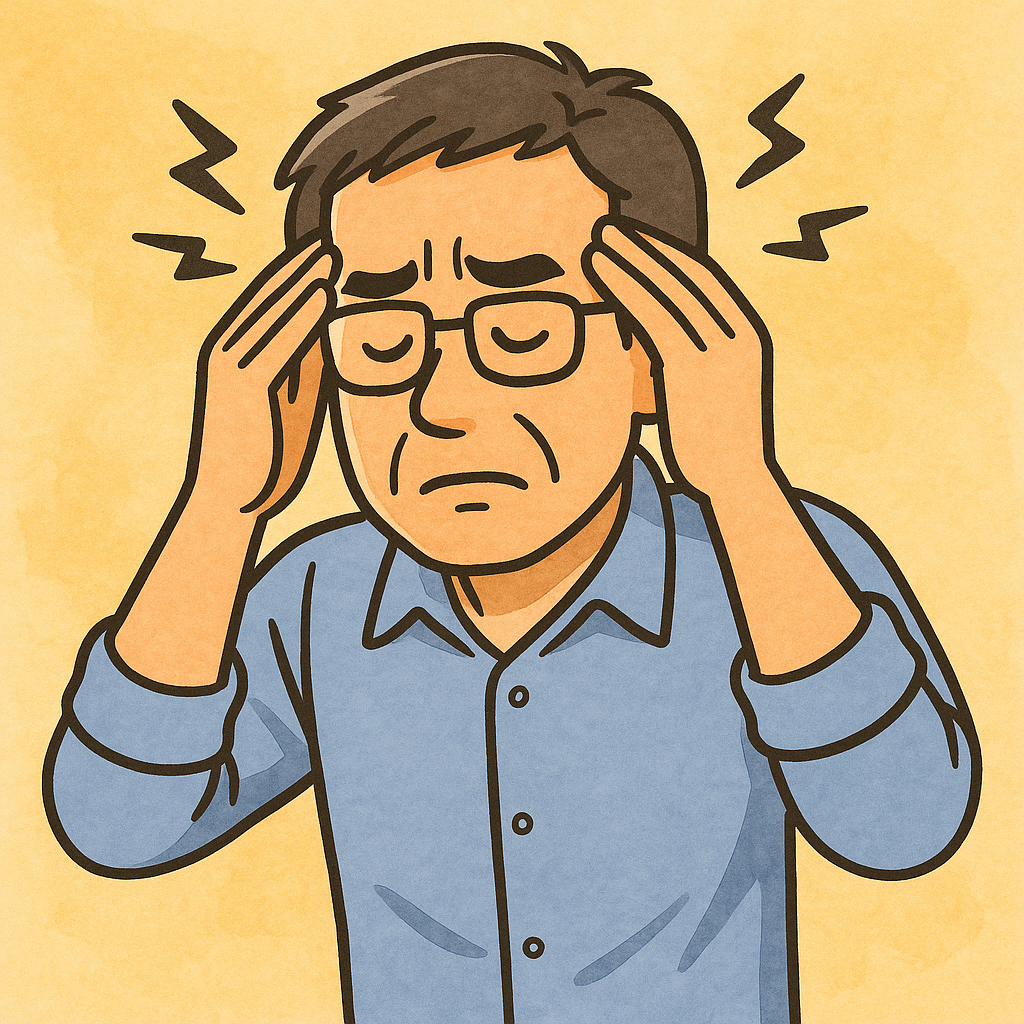
6) Stress Management: Psychological Stability Protects Memory Function
Persistent stress can impair the brain's hippocampus function, reducing memory and concentration. Activities like meditation, breathing exercises, yoga, and walking help relax tense nerves and reduce stress hormones. Finding mental stability through hobbies is also highly effective. If stress is left unmanaged for long periods, it can lead to depression and poor sleep quality, accelerating cognitive decline. Therefore, stress is not merely an emotional issue but a critical factor that must be managed to prevent dementia.
7) Blood Pressure, Blood Sugar, and Cholesterol Management: The Foundation of Brain Health
Hypertension, diabetes, and hyperlipidemia are all risk factors that can significantly harm cerebrovascular health. Poor vascular health reduces blood flow to the brain, increasing the likelihood of cognitive decline. Regular health checkups to monitor these levels are recommended, along with medication if necessary. Maintaining a diet and exercise routine beneficial for vascular health can also effectively lower dementia risk. Consistent monitoring is especially important in one's 40s, as vascular health metrics can change rapidly during this decade.
8) Quit Smoking and Moderate Alcohol Consumption: The Fastest Way to Slow Brain Cell Damage
Smoking constricts blood vessels, reducing cerebral blood flow, while alcohol accelerates brain cell damage. Both habits are deeply linked to cognitive decline, so minimizing them is advisable. Moderating alcohol intake reduces brain inflammation and improves sleep quality, benefiting dementia prevention. Quitting smoking rapidly restores blood vessel and lung function, and you can feel improvements in mood and concentration even in the short term. If completely quitting alcohol or tobacco is difficult, simply controlling the frequency and amount can have a positive effect on brain health.
9) Create a Healthy Daily Rhythm: Regularity Protects the Brain
A lifestyle with regular wake-up and bedtimes, consistent meal times, and repeated light activities helps maintain stable cognitive function. Irregular routines increase brain fatigue, potentially causing memory and concentration decline. Incorporating small daily routines is crucial for the brain to develop familiarity. For example, short routines like a 10-minute morning walk, post-lunch stretching, or 10 minutes of reading before bed significantly contribute to brain health. A regular lifestyle is fundamental dementia prevention, stabilizing both body and mind simultaneously.
Dementia is not solely an elderly disease; it is a brain health issue that requires prevention starting in middle age. Simple lifestyle practices like consistent exercise, a healthy diet, sufficient sleep, brain-stimulating activities, and stress management can significantly reduce dementia risk. If you try just one of the habits introduced today, you can feel positive changes in various areas like concentration, memory, mood, and sleep within a few weeks. The brain is far more resilient than we think, and starting prevention right now is the surest investment to safeguard your future quality of life.


댓글