The Jewel of North Africa: A Complete Guide to Morocco's Must-Visit Cities
Perched at the western edge of North Africa, facing Europe across the Strait of Gibraltar, Morocco is a nation where the wonders of Islamic culture coexist with the exotic allure of Africa. This special place offers travellers unforgettable experiences, from the bustling complexity of its souks (traditional markets) to the profound stillness of the vast Sahara Desert. Strolling through the medina (old town), which retains its medieval character, evokes a mystical feeling akin to time travel. Ancient Islamic architecture, the rich aroma of spices, and the warm smiles of its people combine to leave a uniquely intense impression of Morocco. It is the ultimate destination for any traveller wishing to savour history, culture, and natural beauty simultaneously.
Morocco Travel Information Guide: Politics · Safety · Health · Travel Information Summary
Morocco Travel Information Guide: Politics · Safety · Health · Travel Information SummaryMorocco, the gateway to North Africa nestled between the Mediterranean Sea and the Atlantic Ocean, is a captivating country where the Sahara Desert, the Atlas Mount
misc-information.tistory.com
1. The Passion of the Red City, Marrakech
Marrakech is the “Red City”, brimming with energy and vitality, often hailed as the highlight of any Moroccan journey. The entire city is built from red-hued brick, creating an even more beautiful and exotic landscape at sunset. Its heart, Jemaa el-Fnaa Square, is a vast open-air theatre bustling with storytellers and acrobats by day, and teeming with food stalls and crowds by night. Wandering through the labyrinthine narrow alleys of the old city, the Medina, you'll discover artisans' workshops and souks selling colourful handicrafts. The majestic Koutoubia Mosque and the Bahia Palace, showcasing the essence of Islamic architecture, are also essential sights not to be missed in Marrakech. Marrakech is a city you must visit if you wish to experience Morocco's vibrant energy firsthand.
2. Fes: A Maze with a Thousand Years of History
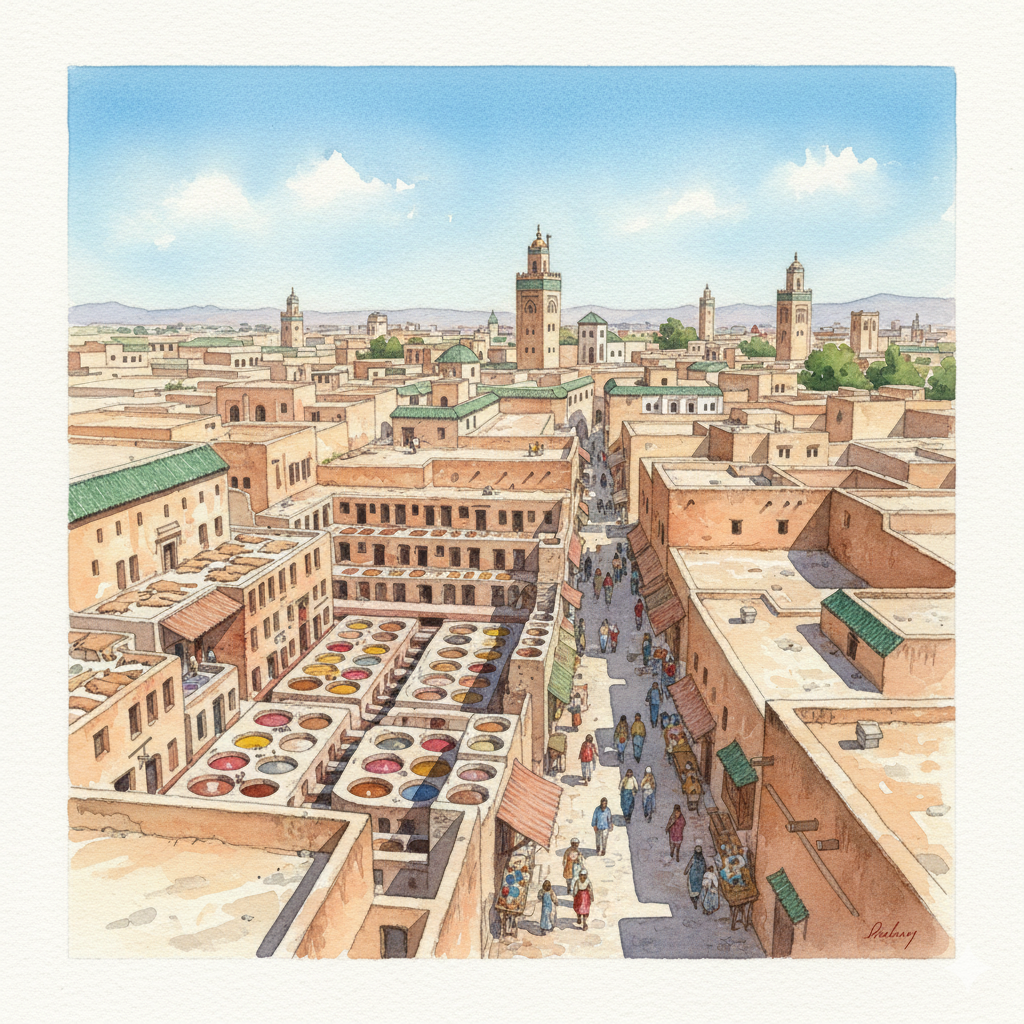
Fes is often called Morocco's spiritual and cultural capital. Its Fes el-Bali medina, designated a UNESCO World Heritage Site, is a living museum in itself. Preserved almost unchanged for over a millennium, this medina is counted among the world's most intricate and extensive labyrinths. Within the medina, you'll find the Tannery, the Bou Inania Madrasa (religious school), and old mosques and riads (traditional houses converted into lodgings) tucked away in every narrow alleyway. Rather than fearing getting lost, we recommend exploring this labyrinth with the excitement of embarking on a journey back in time. Fez is the city where you can experience Morocco's traditions and history most deeply and vividly.
3. The Dreamlike Blue Gem, Chefchaouen
Chefchaouen is a fantastical city nestled in the blue foothills of the Rif Mountains, as if straight out of a fairy tale. All the buildings' walls and staircases are painted in dazzling blue, earning it the nickname “Morocco's Blue Pearl”. Blue symbolises the sky and peace, and is also known to have origins in Jewish culture. Thanks to the unique atmosphere created by this colour palette, it has gained worldwide popularity as a photography hotspot. Smaller and quieter than the medinas of other major cities, it offers a peaceful atmosphere where you can relax and unwind. The charm of visiting Chefchaouen lies in strolling through its narrow, blue-hued alleyways, glimpsing the simple lives of locals, and admiring the beautiful panoramic views of the entire city from the hilltop.
4. Morocco's Modern Gateway: Casablanca
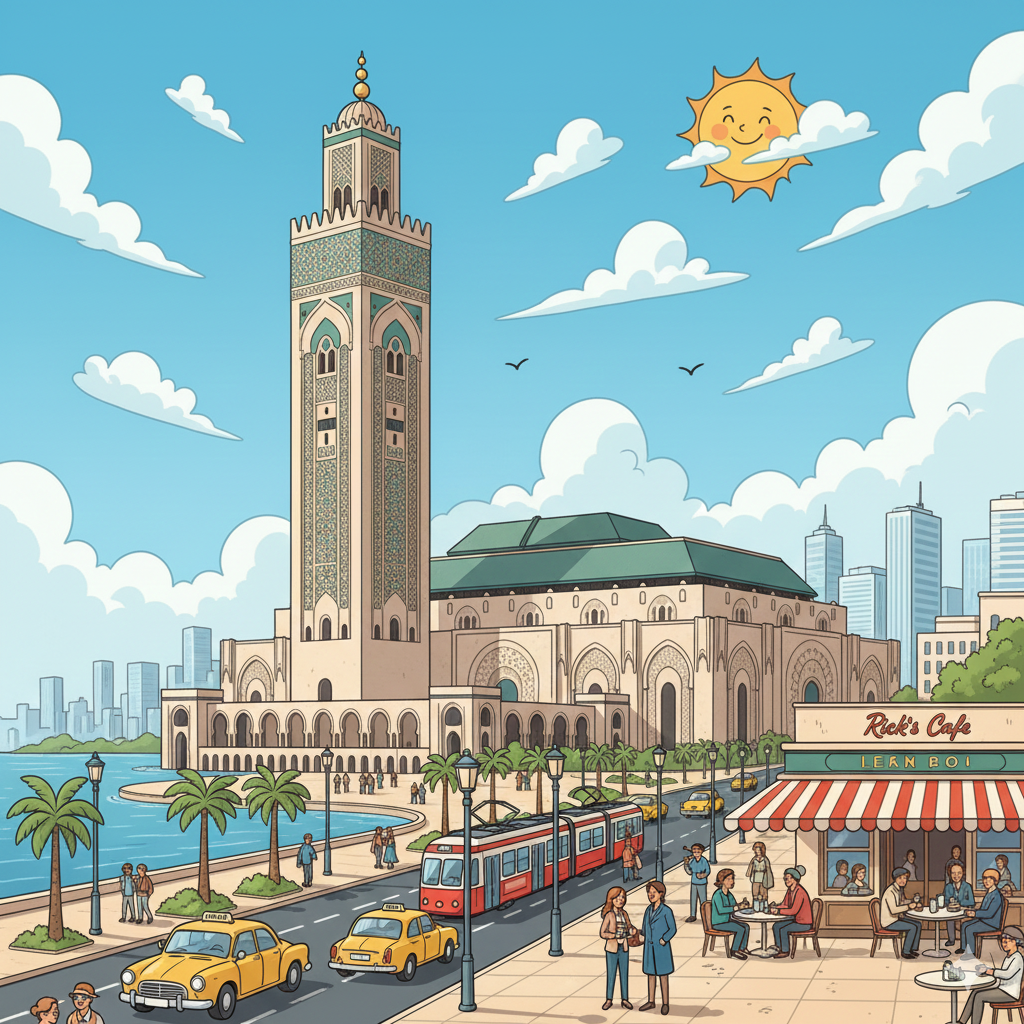
Casablanca is Morocco's largest city and economic hub, offering a sense of modern vibrancy and sophistication rather than classical charm. It gained worldwide fame through the 1942 film of the same name and serves as a major gateway, landing point for many international flights arriving in Morocco. Casablanca's most iconic landmark is the majestic Hassan II Mosque, towering majestically along the Atlantic coastline. One of the world's largest mosques, its intricate architectural beauty and overwhelming scale draw gasps of admiration from visitors. With its modern cafés, upmarket shops, and well-maintained wide boulevards, it offers a distinctly different experience from traditional Moroccan cities. Though many with limited time may visit only the Hassan II Mosque before moving on to other cities, it remains a crucial place for understanding contemporary Morocco.
5. The Endless Adventure of the Sahara, Merzouga
Merzouga is a small village in eastern Morocco, serving as the base camp for the awe-inspiring Erg Chebbi desert and its vast golden sand dunes. It is the starting point for Sahara desert tours, offering the most mystical and romantic experience of any Moroccan journey. Desert camping, riding camels deep into the dunes at sunset and spending the night beneath a sky bursting with stars, will create memories you'll cherish forever. The sand dunes reach heights of 150 metres; climbing one at dawn allows you to witness the majestic sunrise as the sky turns crimson. The desert's tranquillity and vastness offer a unique experience, allowing you to escape daily life and feel true peace. Merzouga is typically visited via a 3-night, 4-day desert tour from Marrakech or Fes.
6. The Serene Atlantic Resort, Essaouira
Essaouira is a charming port city facing the Atlantic Ocean, boasting a peaceful and refreshing atmosphere quite distinct from the red city of Marrakech. The entire city is painted with white walls and blue doors, reminiscent of Greece's Santorini, yet it possesses a unique charm where Morocco's characteristic ramparts and cannons harmonise. Its medina is well-ventilated and less crowded, allowing for far more relaxed shopping and strolling compared to Marrakech or Fes. Fresh seafood dishes are highly renowned, and the strong sea winds make it a popular spot for kite surfing and windsurfing. Essaouira is the perfect choice for travellers wishing to escape a hectic schedule and find relaxation amidst the Atlantic's cool breezes.
✈️ Useful tips to know before travelling to Morocco
As Morocco is an Islamic culture, familiarising yourself with a few key points beforehand will ensure a safer and more comfortable trip.
1. Currency exchange and use: Morocco's official currency is the dirham (MAD). You will need to exchange euros (EUR) or US dollars (USD) into dirhams locally for use. While credit card acceptance is increasing, cash is essential in the souks of the medina and at street stalls, so ensure you have sufficient small denominations. When booking tours such as Sahara desert trips through local agencies, payment in dollars or euros is often required.
2. Dress Code and Cultural Respect: As Morocco is an Islamic country, it is advisable to wear clothing respectful of local culture, particularly when visiting religious sites or the old city (medina). Women should wear long sleeves and long trousers or a long skirt, covering shoulders and knees. Men should also avoid excessively short shorts. In coastal cities like Essaouira or Agadir, relatively more relaxed attire is permitted.
3. Bargaining Culture and Taxi Use: Bargaining is a common practice in Moroccan souks. When purchasing goods, it is customary to start negotiations at half the asking price or lower. Even if unfamiliar with haggling, maintaining a smile and approaching it cheerfully is recommended. When using taxis, request the use of the meter (Petit Taxi) or agree on a fixed price before boarding to minimise unnecessary friction.
4. Safety and Security Precautions: While Morocco is generally considered a relatively safe country, tourists should remain vigilant against pickpockets and touts in the medinas of popular destinations like Marrakech and Fes. Avoid walking alone in narrow alleyways late at night, and take thorough care of personal belongings – such as wearing backpacks across the chest. Do not readily follow the friendly guidance of strangers; it is safer to use Google Maps or official information when finding your way.
5. Drinking Water and Preventing Food Poisoning: Morocco's tap water contains high levels of lime, so locals mainly purchase bottled water to drink. To prevent food poisoning during your trip, drink only bottled water. When consuming street food or fruit, it is crucial to check the hygiene conditions. Mint tea symbolises Morocco's culture of hospitality, so accepting it graciously when offered, rather than refusing, demonstrates respect for local customs.
Morocco's diverse charms will ensure it remains one of your most memorable destinations. We encourage you to explore Morocco's beautiful cities with thorough preparation.


댓글