Morocco Travel Information Guide: Politics · Safety · Health · Travel Information Summary
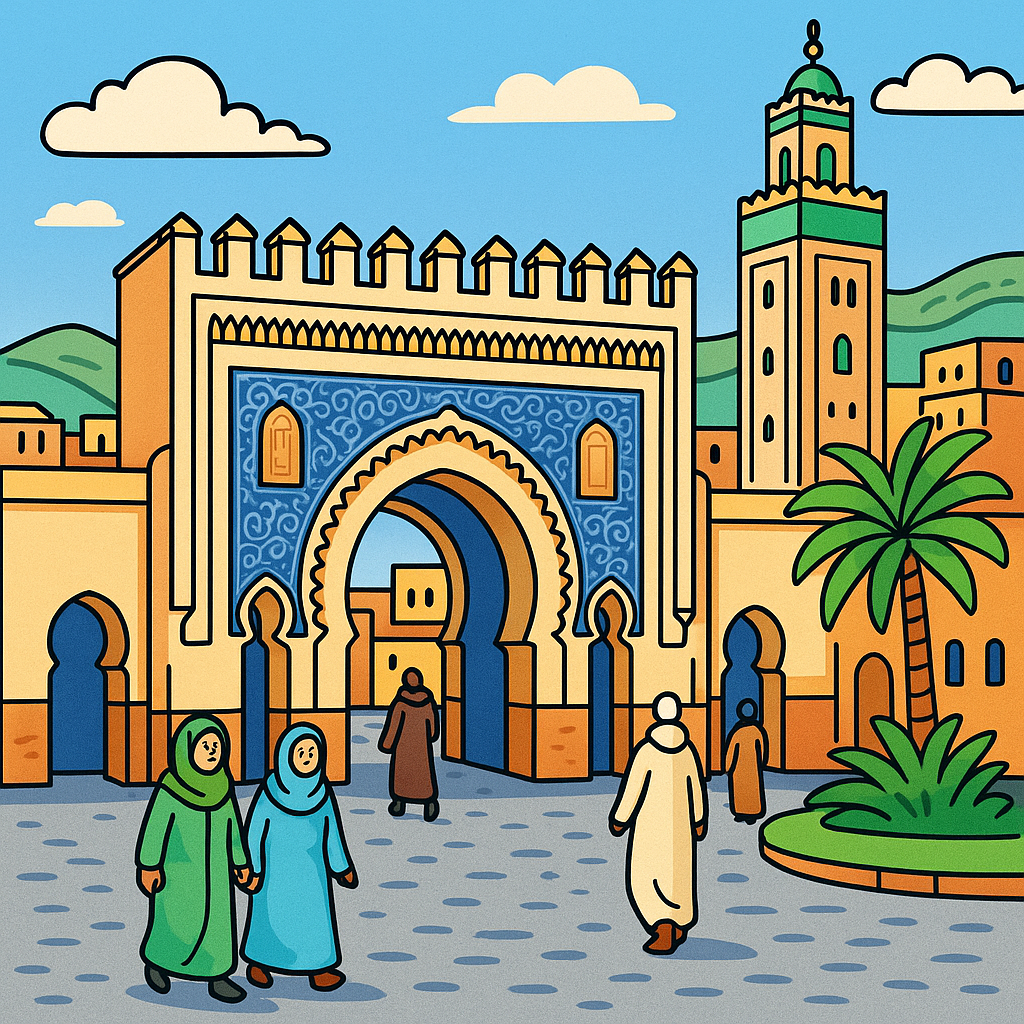
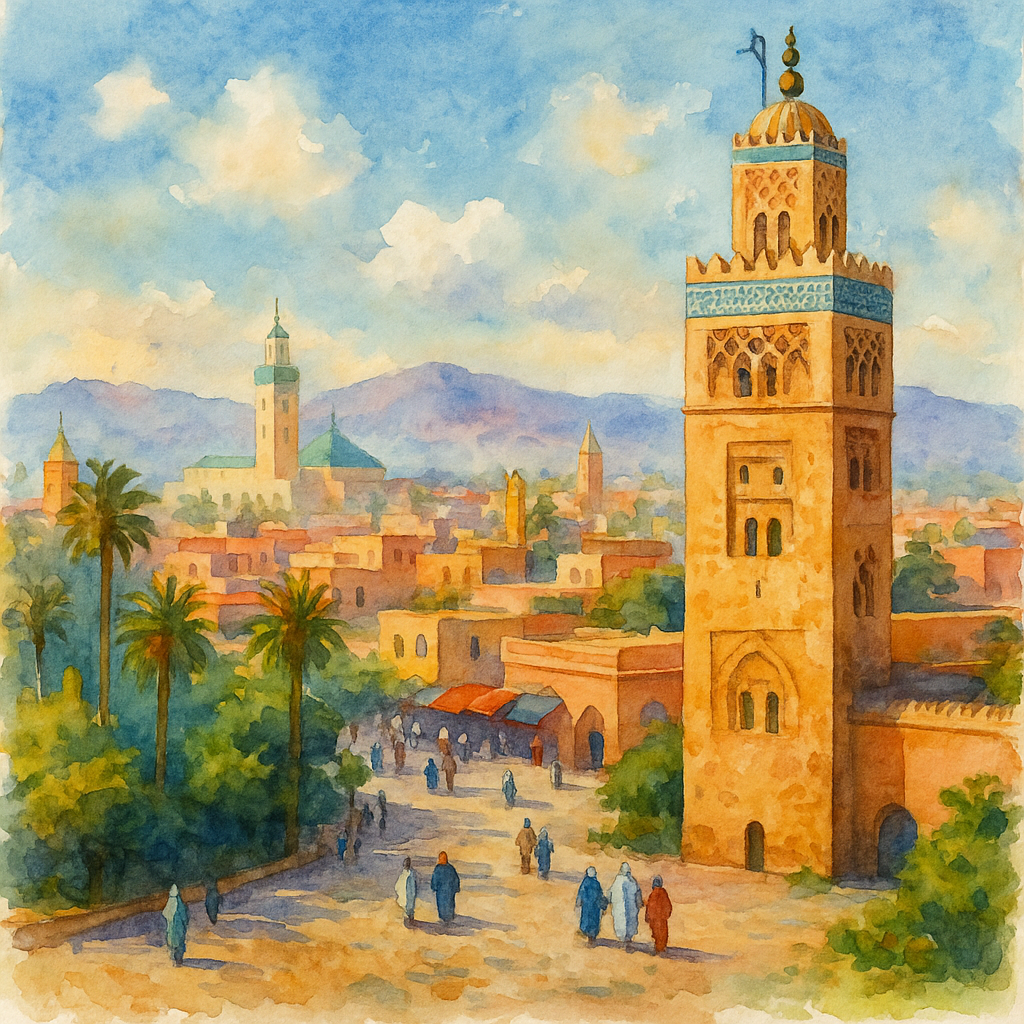
Morocco, the gateway to North Africa nestled between the Mediterranean Sea and the Atlantic Ocean, is a captivating country where the Sahara Desert, the Atlas Mountains, and ancient medinas coexist. The intersection of Arab, Berber, and European cultures creates a unique atmosphere, offering travelers a distinctive experience. The souks of Marrakech, the old city of Fes, and the modern skyline of Casablanca each possess their own distinct charm. However, behind the beautiful scenery lie minor crime, sexual harassment, and a limited but real risk of terrorism. Female travelers, in particular, should exercise greater caution due to cultural sensitivities. Nevertheless, the Moroccan government actively implements counter-terrorism strategies and works diligently to maintain security in major cities. Understanding these factors thoroughly allows for a much safer and richer travel experience.
Monaco Travel Information Guide: Politics · Safety · Health · Travel Information Summary
Monaco Travel Information Guide: Politics · Safety · Health · Travel Information SummaryMonaco is a small city-state situated on the southern coast of France and is well known as one of the wealthiest regions in the world. Its iconic symbols include the
misc-information.tistory.com
Mexico Travel Information Guide: Politics · Safety · Health · Travel Information Summary
Mexico Travel Information Guide: Politics · Safety · Health · Travel Information SummaryMexico is regarded as the country with the most distinctive cultural character in Latin America. On one hand, traces of the Maya and Aztec civilisations still remain
misc-information.tistory.com
1. Political Situation
Morocco is a constitutional monarchy centered around the King, who retains powerful authority, including the ability to dissolve parliament and suspend the constitution. In the 2021 elections, the National Rally for Independence (RNI) secured a majority of seats, forming a new coalition government focused on economic reforms and expanding social security. According to the latest international analysis (as of 2024), Morocco is politically relatively stable, though the Western Sahara territorial dispute remains a persistent source of tension for the nation. Relations with Algeria have not fully recovered since the 2021 diplomatic break, and the border remains closed. In this context, travelers should pay attention not only to general security but also to diplomatic developments. However, the likelihood of large-scale social unrest is currently assessed as low.
2. Terrorism Risk and Security
According to the Counter-Terrorism Center (CTC) and UN reports, Morocco possesses one of the strongest counter-terrorism systems in North Africa. Its intelligence agency (INC) was significantly strengthened following the 2003 Casablanca terrorist attacks, and it has dismantled 5 to 10 terrorist networks annually from 2020 to 2024. However, the risk of lone wolf (individual solo) attacks remains, which is difficult for any country to completely control.
The following areas are particularly at higher risk:
- Marrakech (especially the souk areas near tourist centers)
- Casablanca (many soft targets due to its metropolitan nature)
- Fes, Chefchaouen (areas with high concentrations of European tourists)
The UN and several countries maintain a “Exercise increased caution” travel advisory level. In crowded tourist areas, always stay alert and limit your time in overly congested zones. For hiking in the outskirts or Sahara tours, safety requires traveling only with certified tour operators.
3. Crime Situation: From Pickpocketing to Sexual Harassment
Minor crimes are the most common issues travelers face in Morocco. Marrakech, Fes, Casablanca, and Tangier in particular see frequent pickpocketing, bag snatching, and scams. Criminals often target tourists when they are flustered or stop to ask for directions. Displaying expensive jewelry or the latest smartphones significantly increases the likelihood of becoming a target.
Female travelers face a very high risk of sexual harassment.
According to reports from international human rights organizations, over half of Moroccan women have experienced sexual harassment in some form or degree. Foreign women are no exception, commonly facing whistling, lewd comments, being followed, and excessive staring.
While legally prohibited, the enforcement of anti-sexual harassment laws remains insufficient.
Female travelers can significantly reduce risks by adhering to the following:
- Wear loose-fitting clothing that does not reveal body contours
- Keep valuables hidden from view
- Travel with locals or guides whenever possible
- Avoid personal questions from men and maintain a firm expression
Additionally, traveling alone in the medina area late at night is extremely dangerous.
4. Civil Unrest: Potential for Protests and Strikes
Protests in Morocco are primarily triggered by economic conditions, unemployment rates, and government policies. While most proceed peacefully, unauthorized protests may face harsh police responses. Large-scale protests occurred multiple times between 2022 and 2024 due to rising living costs.
Areas prone to frequent protests:
- Casablanca city center
- Rabat administrative center
- University district areas
Travelers should immediately leave any large crowds they encounter and regularly check local media or hotel announcements.
5. Healthcare Environment and Health Risks
Major Moroccan cities (Marrakech, Casablanca, Rabat) have generally good medical facilities, and private hospitals are of a high standard. However, costs are high, and treatment expenses can be a significant burden without insurance. Rural areas have limited emergency response capabilities, and transport times can be lengthy.
Latest health-related advisories (as of 2024):
- Do not drink tap water. Always verify that water served in restaurants is bottled.
- Cases of insect-borne diseases like leishmaniasis and typhus have been reported.
- Due to rabies risk, absolutely avoid contact with street animals.
- Confirm vaccinations for typhoid, hepatitis A/B, and tetanus 4–6 weeks before departure.
- Some henna tattoos contain a chemical called PPD, which can cause severe allergic reactions.
While the risk of COVID-19 is low, Morocco has a high vaccination rate and is a relatively well-managed area.
6. Practical Travel Information — Transportation · Attire · Cultural Considerations
Language usage varies significantly by region in Morocco, and street names are changing to Arabic standards, making navigation difficult. Google Maps is often inaccurate in many areas, so it's advisable to capture screenshots of your destination before arrival.
Recommended attire for female travelers:
- Loose-fitting tops and bottoms
- Shawls or scarves
- Lightweight clothing that covers arms and legs
For transportation, remember the following:
- Use only licensed taxis; street taxis are dangerous.
- Avoid walking at night.
- Speeding and reckless driving are common on Moroccan roads; self-driving is not recommended.
- Offers of ‘guides’ or ‘help’ from strangers are often scams demanding tips.
Religious and cultural considerations:
- Many shops are closed on Friday afternoons.
- During Ramadan, eating in public places may be restricted.
- Public displays of affection are negatively perceived.
- Homosexuality is illegal.
✅ Final Checklist Before Traveling to Morocco
✅ Prepare for pickpockets: Use bags with zippers, avoid exposing valuables
✅ Female travelers: Conservative attire + Minimize solo travel
✅ Check daily for terror/protest alerts
✅ Use only official taxis or pre-booked vehicles
✅ Drink only bottled water; avoid street food/drinks
✅ Check required vaccinations: Hepatitis A/B, Typhoid, Rabies, etc.
✅ Travel insurance mandatory (especially covering emergency medical evacuation costs)
✅ Act with respect for cultural/religious norms


댓글