Liechtenstein Travel Information Guide: Politics · Safety · Health · Travel Information Summary
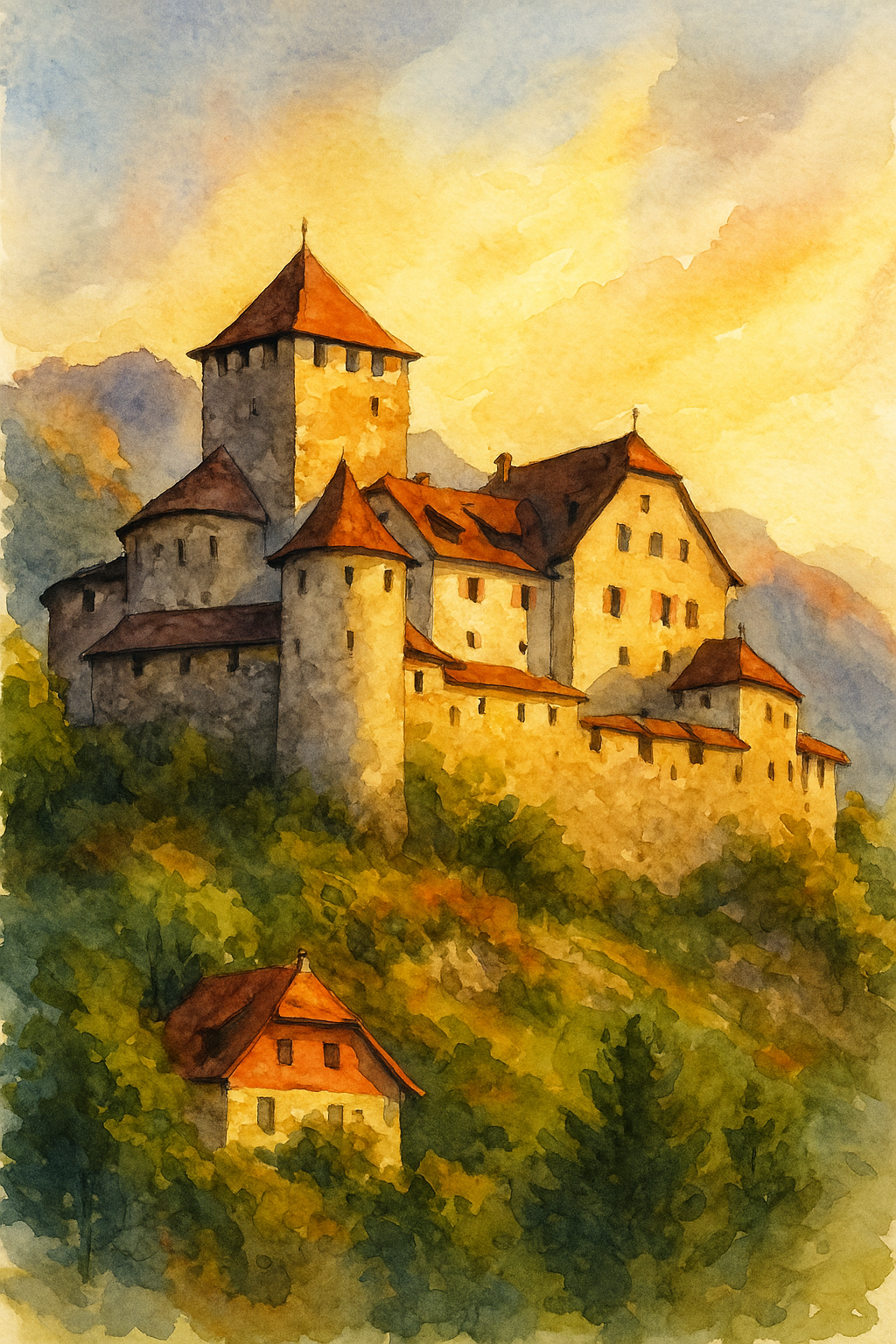
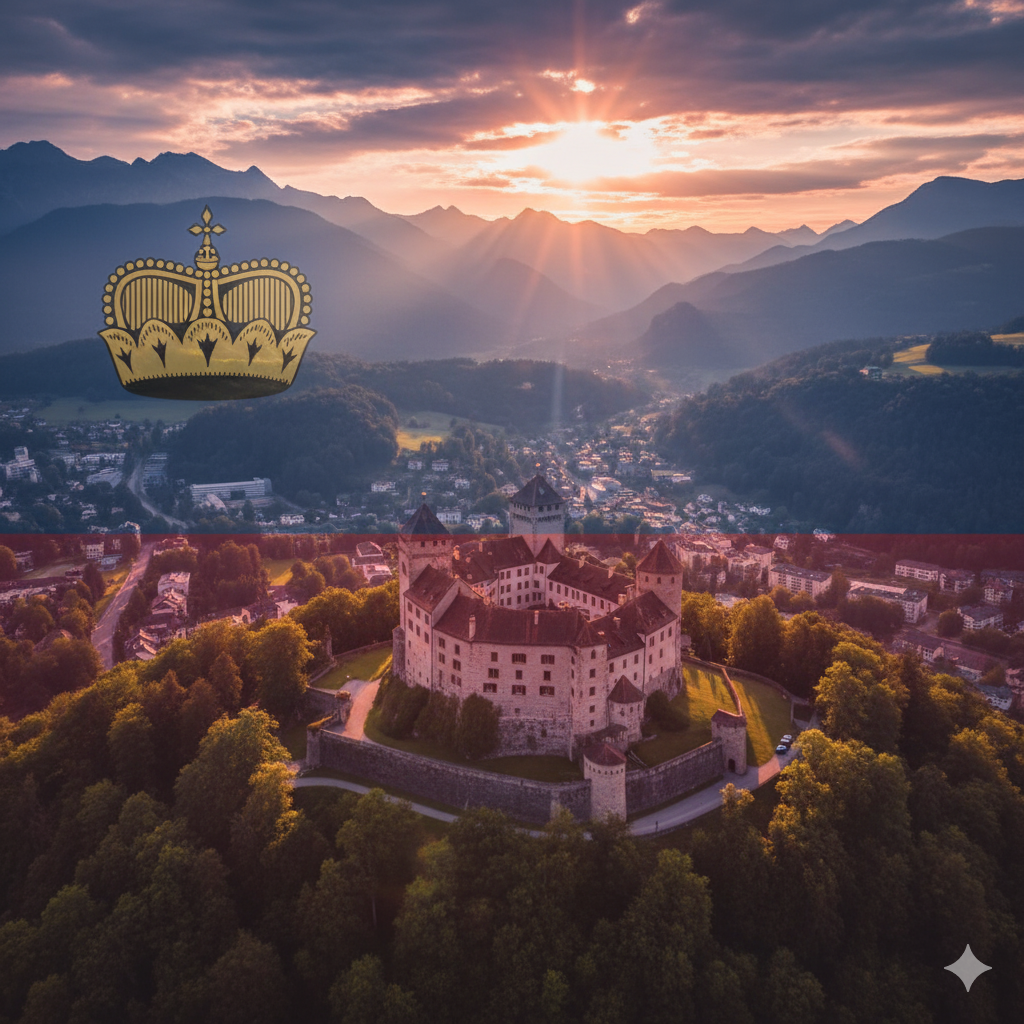
Nestled in the Rhine Alps, the small nation of Liechtenstein is a “double landlocked country” sandwiched between Austria and Switzerland. Its capital, Vaduz, and mountain villages blend seamlessly into the landscape like a single painting. Though covering just 160 square kilometres with a population of around 40,000 (ranking among the world's smallest nations), it is renowned for its stable economy with high per capita income and comprehensive welfare. Though not an EU member, its membership in Schengen, EFTA, and EEA ensures seamless border movement and economic cooperation, with the Swiss Franc (CHF) serving as its currency. Travellers generally experience a “peaceful European weekend getaway” thanks to well-maintained transport and low crime rates.
1) Country Overview
- Politics and Geography: A constitutional monarchy (principality) where power is shared between the monarch and the 25-seat Landtag (parliament). Currently, Crown Prince Alois acts as regent on behalf of Hans-Adam II. The capital is Vaduz and the largest city is Schaan. The entire country lies within the Alpine foothills, offering a dense network of trails, castles, and art galleries.
- Foreign Relations: Not an EU member, but part of the Schengen Area (joined 2011), and a member of EFTA and the EEA. It maintains a customs and currency union with Switzerland, using the Swiss franc as its official currency.
- Public Safety: Violent crime is extremely rare. The most common risks for travellers are opportunistic crimes such as pickpocketing in busy areas and around stations. The threat of large-scale terrorism is low.
2) Key Risk Factors
Political Risk
The risk of civil war or political instability is effectively low. The system, combining a multi-party parliament with a monarchy, has operated stably for an extended period.
Terrorism
There is no specific information on targets, and the risk is generally assessed as “low”. However, common-sense vigilance is recommended against the unspecified low-intensity threat across Europe (e.g., potential copycat crimes in crowded places).
Crime
Crimes targeting travellers are predominantly pickpocketing and bag snatching. Exercise caution in station areas (such as Quai Garenne and other routes to neighbouring countries), hotel lobbies, and congested areas during peak season events. Passports, cash, and electronic devices should be stored separately.
Public unrest
While not a major hub for EU institutions, peaceful demonstrations in solidarity with European issues occasionally occur. These are generally small-scale and well-managed, though they may cause incidental pedestrian and traffic congestion.
3) Medical and Health Information
Public healthcare standards are high, and emergency response is swift. However, for high-altitude or mountain exposure activities (hiking, MTB), layering, waterproofing, and thermal gear are essential to prepare for daily temperature variations and rapidly changing weather. If required, transfer to major hospitals in Switzerland or Austria can be arranged quickly. For prescription medication, it is safest to carry the original packaging and an English prescription.
4) Travel-related information
- Entry·Stay: Liechtenstein is part of the Schengen Area, so it follows Schengen visa and visa-free regulations (border checks are conducted by neighbouring countries' authorities).
- Currency·Cost of Living: Swiss Franc (CHF). The cost of living is high, comparable to the “Swiss zone”, so save money by combining travel passes and museum passes.
- Transport: LIEmobil buses operate frequently, connecting major towns and trailheads with the Badut bus terminal as the hub. Services are reduced on Sundays, public holidays, and at night, so checking timetables is essential. Rail services only pass through on the Austria–Switzerland route (Schan-Badut, Nendeln station), making buses the primary mode of transport.
- Driving: Road conditions are excellent, but steep gradients, sharp bends, and winter icing on mountain sections are constant factors. Check snow tyre and chain regulations for both the Swiss and Austrian sections.
6) Emergency Contacts
- 112 (European emergency number) / Police 117 / Fire 118 / Ambulance 144. Connects directly from mobile phones.
📌 Final Checklist Before Travel
✅ Entry·Stay: Verify Schengen regulations (stay duration·travel insurance). Check passport validity.
✅ Currency·Budget: Swiss Franc (CHF). Manage costs by assuming higher prices and using pass combinations.
✅ Safety: Prepare for pickpocketing by distributing valuables, using zip closures, and minimising solo night-time travel.
✅ Transport: Check LIEmobil timetables and last departures; note reduced services on Sundays and public holidays. Rely on rail only for transfers.
✅ Outdoor Activities: Essential: mountain weather awareness, altitude acclimatisation, waterproofing, and thermal gear. Verify trail routes and difficulty levels beforehand.
✅ Medical: Carry essential medicines and prescriptions. Travel insurance covering hospital transfer to neighbouring countries recommended.
✅ Emergency Numbers: Save 112 / 117 / 118 / 144. Memorise direct numbers for local police, fire brigade, and ambulance services.


댓글