5 Practical Ways to Manage Your Mental Health at Work and Recover from Burnout
Work life isn't just a series of tasks—it's an emotional journey.
Especially for professionals in their 40s, constantly balancing work, family, and self-development is a constant challenge.
Then one day, you suddenly realize: “No matter how much I rest, the fatigue won't go away.”
That's burnout—a state where your mental and physical energy are completely depleted.
Fortunately, burnout isn't the ‘end’ but a signal to rest and recharge.
Today, we've outlined step-by-step burnout recovery methods that working professionals can implement right away in their daily lives.
1. Don't deny burnout; accept it as a ‘signal’
Burnout isn't laziness.
It's simply the result of pushing yourself too hard, like an overheated engine.
Therefore, the first step is to accept it as “It's time for a break now,” rather than asking “Why am I like this?”
👉 Practical Tip:
Be honest with yourself. Don't ignore small signals like fatigue, lethargy, or poor concentration.
Recognizing that ‘I am someone who needs rest right now’ is the beginning of recovery.
2. Create a ‘mental breathing space’ for at least 10 minutes a day
When trapped in the routines of work and home, your sense of self disappears.
That's why you need at least 10 minutes a day of time where you play no role.
👉 Practical Steps:
- A 10-minute walk after lunch
- Listening to music during your commute
- Closing your eyes and taking deep breaths for 5 minutes during work
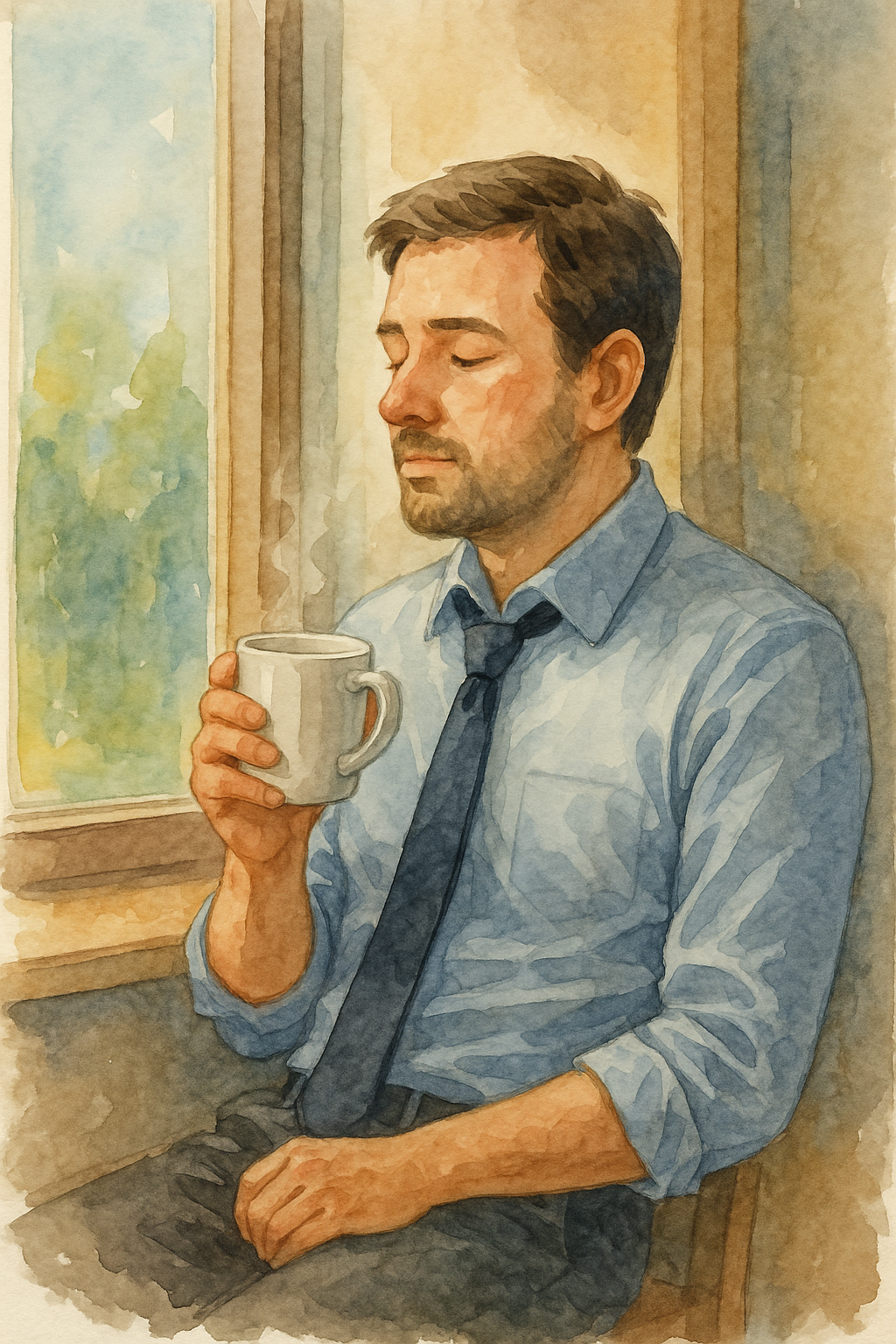
These brief moments help rebuild your mental resilience.
Only by accumulating ‘small breaks’ can you create ‘big breathing room’.
3. Let go of perfectionism and practice ‘good enough’
Many working professionals in their 40s are too hard on themselves.
The constant pressure to “always do your best” often leads to burnout.
👉 Practical steps:
Shift your work standard from ‘perfect’ to ‘good enough’.
Rather than finishing every task at 100%, wrap things up at 80% and leave time to recharge.
Your work efficiency actually increases when you rest.
4. The Power of Conversation: ‘Putting Feelings into Words’
Burnout deepens most in people who try to handle everything alone.
Emotions pile up if left unsaid, eventually exploding or turning into apathy.
👉 Practical Steps:
- Talk honestly with a trusted colleague or friend
- Tell your family, “I've been feeling really exhausted lately”
- Write down your feelings to process them
The moment you speak, half the weight lifts from your heart.
Expressing your emotions isn't weakness—it's healthy self-care.
5. Restore Your Body's Rhythm: Sleep·Meals·Exercise
Your mental state is ultimately an extension of your physical state.
When your body is exhausted, your mind can't hold up either.
Therefore, the final step in burnout recovery is restoring your basic physiological rhythms.
👉 Practical Steps:
- Sleep at least 6 hours, go to bed at consistent times
- Focus on protein and vitamin-rich meals instead of sugars
- Walk 20 minutes daily instead of intense workouts
A healthy body is the foundation for a recovered mind.
People who manage their energy well ultimately become resilient to stress.
Recovery is not about ‘willpower’ but ‘habit’.
Overcoming burnout doesn't happen overnight.
Consistent small recovery habits build mental resilience.
What matters more than work is the strength to protect yourself.
👉 Today, even if it's just 10 minutes, create ‘your own rest’.
That short time will sustain your career for the long haul.


댓글