Gambia Travel Information Guide: Political Situation · Security Risks · Health Tips Summary
The Gambia is one of the world's smallest countries, located on Africa's Atlantic coast. Despite its small size, it's an attractive destination with tropical nature, fishing and agricultural culture, and tourism resources. However, due to recent political instability, high crime rates, and poor medical infrastructure, thorough preparation is essential before traveling. This article provides a comprehensive overview of essential information for travelers, covering political situation, crime and terrorism risks, medical and health tips, culture and regulations, and emergency contacts.
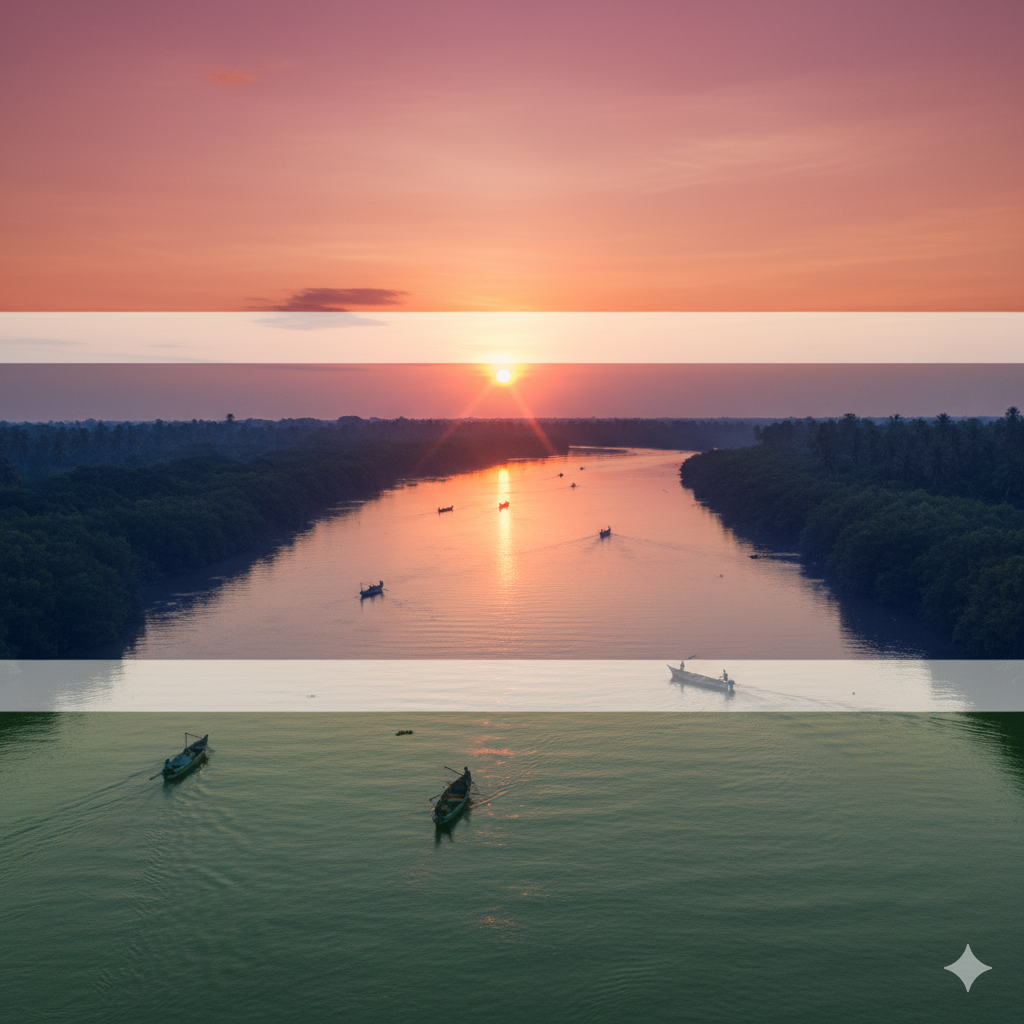
Country Overview & Political Background
- The Gambia experienced prolonged political instability due to the influence of former President Yahya Jammeh, who ruled for a long time following a coup in 1994.
- Although Jammeh lost the 2016 presidential election, his refusal to transfer power triggered a political crisis. Following ECOWAS intervention in 2017, President Adama Barrow took office.
- President Barrow successfully secured re-election in 2021 and remains in power today.
- Tourism is the primary industry, but the economy remains fragile due to high poverty rates.
- The southern border remains unstable due to its connection to the Casamance conflict in Senegal.
Key Risk Factors
Politics
- While relatively stable now, political risks persist, evidenced by a coup plot incident in 2022.
- Large-scale protests, even if starting peacefully, can escalate into sudden violence.
Terrorism
- No indigenous terrorist organizations have been reported within The Gambia itself.
- However, the influence of Al-Qaeda in the Islamic Maghreb (AQIM) exists regionally, and there is a possibility they could target tourists.
Crime
- Crimes targeting tourists are common, primarily pickpocketing, snatch thefts, and theft of mobile phones and jewelry.
- Fake guides, known as ‘bumsters’, may approach tourists on beaches or elsewhere to steal valuables or commit fraud.
- Most incidents are non-violent, but resistance can lead to violent crime involving weapons.
- Police response is slow due to lack of resources and equipment, and credit card fraud cases are also reported.
Civil Unrest
- Since 2017, expanded freedom of expression has led to increased protests, demonstrations, and strikes.
- Some protests have resulted in clashes with police, arson, and looting.
- Travelers should avoid large crowds or protest areas and move immediately if instability arises.
Medical & Health
Medical Infrastructure
- Medical facilities in rural areas are very limited, and even urban hospitals fall short of Western standards.
- Poor sanitation, outdated equipment, and drug shortages are common issues.
- In emergencies, medical evacuation to a neighboring country may be necessary, so be sure to purchase travel insurance that includes medical evacuation costs.
Medications & Regulations
- Certain medications, such as codeine and diazepam, are considered illegal. You must carry a legitimate prescription.
Vaccinations & Infectious Diseases
- Yellow Fever Vaccination: Required (Proof of vaccination must be presented upon arrival)
- Recommended Vaccinations: DTP, Tuberculosis, Typhoid, Hepatitis A & B, Meningococcal (A+C+Y+W135)
- Mosquito-borne Diseases: Malaria (endemic nationwide), Dengue Fever (occurs during rainy season), Chikungunya, Rift Valley Fever
- Prevention: Use mosquito nets, DEET repellent, wear long clothing, avoid contact with contaminated animal blood or milk
Culture, Laws, and Travel Attitude
- The Gambia is a strictly Islamic country; respect its conservative culture.
- Dress modestly and refrain from public displays of affection.
- Photographing military or government buildings is prohibited.
- Always carry a copy of your ID; failure to present it upon request may result in detention.
- Homosexuality-Related Laws: Same-sex sexual acts are illegal and punishable by up to 14 years in prison. Cross-dressing is also prohibited.
- Therefore, LGBT+ travelers must exercise extreme caution in their behavior locally.
Emergency Contacts & Emergency Numbers
Emergency services in The Gambia are limited, and response times may be delayed in rural areas.
- National Emergency Number: 117
- Police: 117
- Ambulance: 116
- Fire Department: 118
📌 Final Summary
✅ Politics: Relatively stable since 2017 regime change, but coup attempts (2022) and protest risks persist
✅ Terrorism: No indigenous groups, but regional threats like AQIM exist → Tourists may be targeted
✅ Crime: Pickpocketing, scams, and muggers common → Hide valuables and beware fake guides
✅ Civil unrest: Protests can suddenly turn violent → Avoid crowds
✅ Medical care: Facilities outside cities are outdated; overseas evacuation may be needed in emergencies → Insurance covering medical evacuation is essential
✅ Vaccinations: Yellow fever is mandatory + DTP, typhoid, hepatitis, and meningococcal vaccines are recommended
✅ Hygiene: Beware of mosquito-borne diseases (malaria, dengue, chikungunya), mosquito nets and repellent essential
✅ Culture & Laws: Respect Islamic norms, modest dress, no public displays of affection, LGBT+ travelers take caution
✅ Emergency Contacts: Emergency 117 / Police 117 / Ambulance 116 / Fire 118


댓글