Southeast Asia Foodie Tour Travel Tips: The Ultimate Travel Guide to Completing Your Trip with Local Cuisine
Southeast Asia is renowned for its affordable yet deeply flavourful food culture, making it highly popular among travellers planning culinary trips, particularly “foodie tours”. Each region boasts distinctive street food, local restaurants, night markets, and a thriving café culture, allowing you to fully experience the diversity and charm of the food even on a short trip. However, to truly enjoy a foodie tour, it's far more helpful to know the country-specific characteristics, hygiene tips, budget planning, and itinerary strategies beforehand. Today, we'll outline the key points for successfully enjoying a foodie trip, focusing on representative culinary cities in Southeast Asia such as Vietnam, Thailand, Malaysia, and Singapore.
1) Why Southeast Asian foodie tours are so appealing
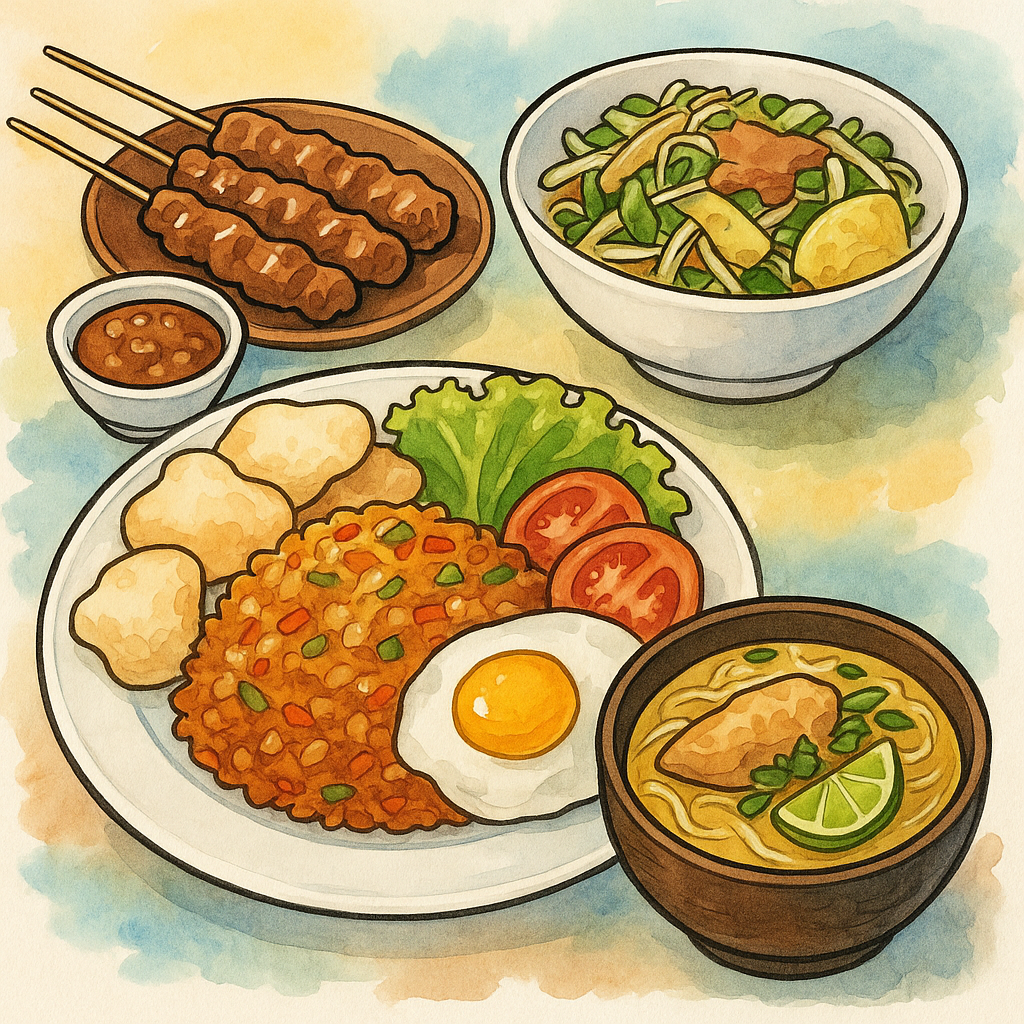
Southeast Asian cuisine is beloved by travellers worldwide due to its harmonious blend of diverse cooking methods, rich spices, and affordable prices. You can try numerous dishes from morning to night without feeling burdened, making it ideal even for those new to culinary travel. Signature dishes like pho, pad thai, laksa, nasi lemak, and bak kut teh offer an intuitive glimpse into local culture and ingredients. Furthermore, Southeast Asia's vibrant night markets and street food culture allow travellers to naturally experience local daily life during their itinerary. Each city boasts distinct characteristics, so combining multiple countries rather than just one offers an even richer culinary experience.
2) Vietnam Foodie Tour Tip: Enjoying a Variety of “Light Cuisine”
Vietnam centres on fresh herbs and clean broth cultures, meaning many dishes are light enough to enjoy even from breakfast. Hanoi is famous for its delicate “pho bo” (beef rice noodle soup), while Ho Chi Minh City offers the chance to savour southern-style pho, generously topped with various garnishes. Bánh mì is the street food most beloved by travellers, with the texture of the bread and the combination of fillings making a stark difference to the flavour. In Vietnam, the more local the eatery, the faster the food turnover, meaning fresher ingredients are used. Choosing local establishments can therefore lead to a more satisfying experience.
However, it is advisable to check the hygiene standards carefully before choosing drinks containing ice or raw vegetables.
3) Thai Foodie Tour Tips: How to savour the intensity of spices and charred flavours
The most crucial strategy when enjoying Thai cuisine is to adjust the spiciness and spice concentration to your own preference.
Representative dishes like pad thai, tom yum kung, and khao pad are readily available as street food, but surprisingly, the quality-to-price ratio varies greatly, so it's best to choose establishments with favourable reviews. Thailand's regional food cultures differ markedly: Bangkok focuses on street food and market culture, while Chiang Mai emphasises community restaurants and farm-to-table menus.
To adjust spiciness, simply say “mai pet (not spicy)” or “pet nit noi (a little spicy)” for hassle-free ordering.
The more famous the night market, the more crowded it tends to be, but hygiene management is relatively well-maintained, making it enjoyable even for beginners without worry.
4) Malaysia·Singapore Foodie Tour: How to Taste the Essence of Multicultural Cuisine
Malaysia and Singapore are regions where multi-ethnic cuisines coexist, allowing you to experience Malay, Chinese, and Indian food all within one city.
In Malaysia, “laksa”, “nasi lemak”, and “chakwai tiew” are popular, and Penang in particular is renowned as a foodie city, perfect for a full-day culinary tour.
Singapore boasts a well-developed “hawker centre (food court)” culture, allowing you to enjoy a diverse range of dishes at affordable prices in clean surroundings. Chicken rice, laksa, bak kut teh, and skewers are essential representative dishes to sample.
In Malaysia and Singapore, even if menu names are unfamiliar, photo menus make selection straightforward, and the cooking method for each dish is clearly indicated, allowing novice travellers to enjoy safely. However, popular hawker centres get crowded during lunch and dinner times, so it's advisable to time your visit well.

5) Enjoying Southeast Asian Street Food: Hygiene and Safe Selection Criteria
Street food is central to any Southeast Asian foodie tour, but wisely checking hygiene standards is key to a satisfying trip. The most important criterion is choosing “establishments with a high volume of customers”. High turnover means ingredients aren't stale and food is cooked quickly, making it relatively safer. It's even better if you can visually monitor the cooking process.
For fresh fruit juices, the hygiene of the ice is crucial, so ordering without ice is safer where possible.
Those with sensitive constitutions may find it helpful to focus on cooked dishes rather than salads or raw vegetables to maintain their condition during the trip.
6) Tips for structuring your Southeast Asian foodie itinerary: Grouping by region
A culinary journey isn't just about visiting famous eateries; planning your route and pacing yourself are vital. Given Southeast Asia's high daytime temperatures, visiting key eateries in the morning and focusing on cafés and markets in the afternoon makes for a manageable schedule. Grouping destinations like Northern/Southern Vietnam, Thai cities, or combined Malaysia/Singapore trips enhances satisfaction due to differing culinary styles. Planning too many restaurants in one day leads to food fatigue; focusing on signature dishes at 3-4 establishments is sufficient. Night markets should definitely be included in your itinerary. It's efficient to sample small bites at the night market and save your main meal for elsewhere.
7) Budget, Payment & Language Tips: Elements Making Your Foodie Trip More Convenient
Southeast Asian food is generally inexpensive, but prices vary significantly depending on the city, location, and restaurant grade. Having some local currency on hand makes purchasing street food more convenient. Many restaurants accept cards, so it's best to pay for accommodation, transport, and cafés by card, while using cash for street food. While English is generally understood, knowing basic local food terms makes ordering much easier. Also, as spiciness levels and cooking methods vary by region, it's advisable to specify “less spicy” or “fewer spices” when ordering.
A Southeast Asian foodie tour is a journey that completes the experience of “flavour + culture + experience”.
A Southeast Asian culinary tour is not merely about enjoying delicious food; it's a way to naturally experience each country's culture and way of life. Vietnam's clean broths, Thailand's intense spices, and Malaysia and Singapore's multicultural flavours are elements that satisfy anyone. It's the ultimate travel style, easily enjoyed without worry if hygiene and logistics are well managed. A Southeast Asian foodie tour is easily accessible even for beginners and is an excellent choice to add depth to your travels.


댓글