Greenland Travel Information Guide: Safety · Natural Environment Risks · Health and Emergency Information Summary
Greenland is a vast island within the Arctic Circle, possessing an autonomous government within the Kingdom of Denmark. With an extremely low population density and virtually no roads connecting towns (travel between cities requires planes, helicopters, or boats), travelers can become stranded during severe weather. While crime rates are generally low, the real risks for travelers are the extreme environment, weather, and terrain.
Country Overview & Recent Background (Updated)
- Political Status: Granted self-rule in 1979, with expanded powers under the Self-Government Act of 2009. Greenland enjoys broad autonomy within the Danish Constitution and sends two members to the Danish Parliament (Folketing).
- Latest Political Trends: Following the March 2025 general election, Jens-Frederik Nielsen was sworn in as Prime Minister (Head of Government) on April 7, 2025. The new cabinet advocates strengthening cooperation with Denmark and a roadmap for gradual independence.
Key Risk Factors
Crime and Public Safety
- Overall crime rate is low: However, alcohol-related incidents and domestic violence are reported in some settlements. While tourist-targeted crime is rare, self-protection in remote areas is paramount.
Natural Environment
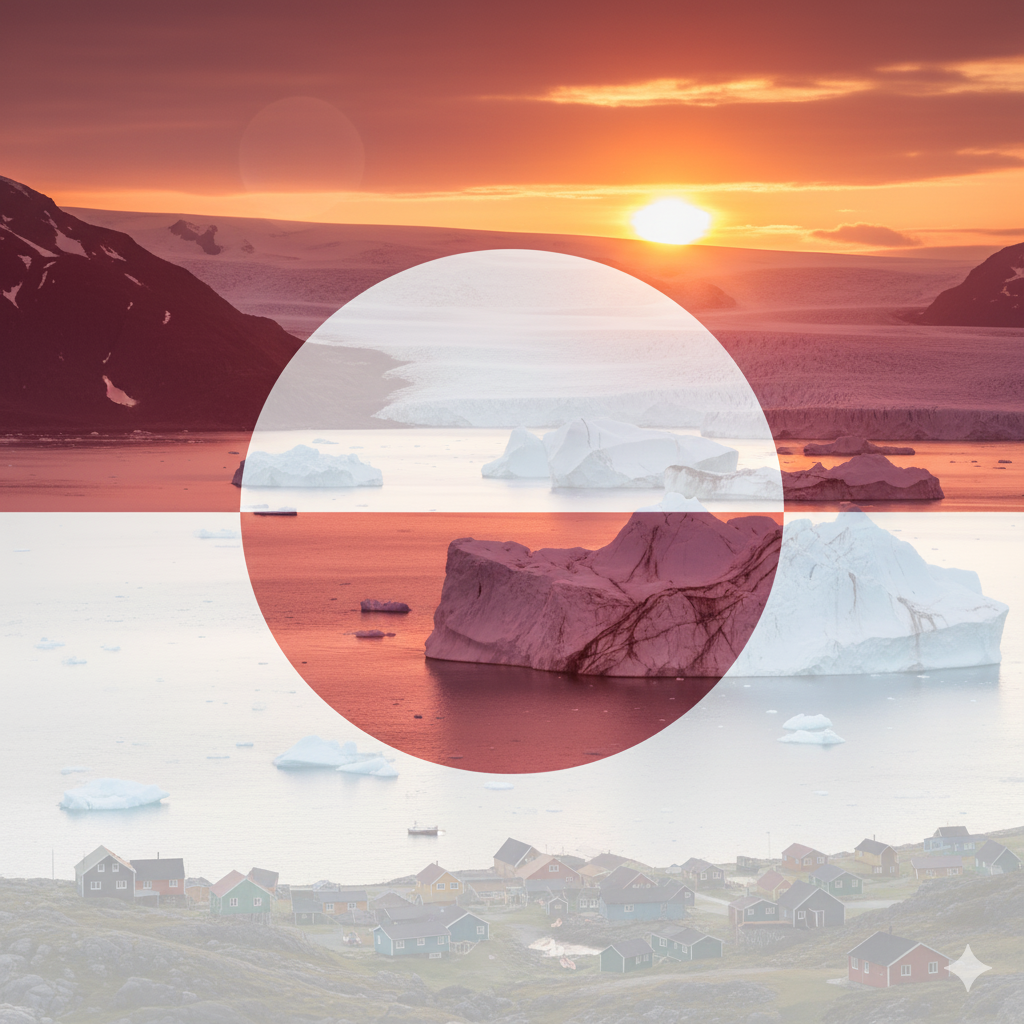
- The real risk is the environment. Strong winds, white nights/polar nights, hypothermia, ice and snow, crevasses, ice shelf collapses, sea fog, and rapidly changing weather frequently cause aircraft and boat delays/cancellations and may delay rescue efforts. Medical evacuation incurs significant costs and time.
- Polar Bear Safety: There is a risk of polar bear encounters along northern/eastern coasts and ice edges. Avoid solo outdoor activities, travel with local guides, manage food/trash, and learn bear deterrence procedures.
- High-latitude natural disasters like earthquake/landslide-induced tsunamis are possible—exercise caution near coastal cliffs and glacier fronts.
Security & Terrorism
- Terrorism threat is very low (due to political and demographic factors): However, increased military and diplomatic events (including airport and infrastructure expansion) occur due to its strategic location, and security controls may be in place during large-scale events.
Medical & Health
- Medical Accessibility: Hospitals in cities like Nukuru (capital) are of good standard, but access in small towns and remote areas is limited. Medical evacuation frequency and costs are high due to reliance on helicopters/propeller aircraft → Travel insurance including medical evacuation is strongly recommended.
- Rabies: Transmission is possible via Arctic foxes, dogs, etc. Access to vaccines and immunoglobulin after exposure is primarily in major cities, potentially causing delays. If your itinerary includes long-distance outdoor activities or possible animal contact, consider pre-exposure vaccination. If bitten by an animal, immediately wash the wound and visit a medical facility.
- Cold Exposure/Hypothermia/Frostbite: Prepare thoroughly with waterproof/windproof layering and insulation for face, hands, and feet.
- Hygiene/Drinking Water: Outside settlements, water purification/preservation conditions vary → Use bottled water/water purification tablets.
Travel Infrastructure & Transportation Tips (Updated)
- Intercity roads are virtually nonexistent. Intercity travel primarily relies on Air Greenland (Dash-8/helicopter) and boats. Due to weather variables, a Plan B and extra days are essential to prepare for cancellations/chain delays.
- Airport Update: Nukesin International Airport opened on 2024-11-28. Ilulissat and Kangerlussuaq airports are also undergoing phased expansion → Accessibility is improving, but adverse weather variables remain.
- Remote Area Activities: Snowmobile/dog sledding/trekking/glacier trails require local guides; satellite communication devices, PLB (Personal Locator Beacon), and itinerary sharing are mandatory.
- Clothing & Gear: Waterproof hard shell + insulated mid layer + fleece base layer, high-performance crampons/gaiters, supplemental heat source (hot packs), sunglasses (prevent snow blindness/snow glare)
Culture, Laws & Other
- LGBTQ+: Same strong anti-discrimination protections as Denmark. Local social acceptance may vary, but legal risk is low.
- Alcohol Regulations: Some villages restrict alcohol sales/possession. Local ordinances must be checked in advance.
Emergency Contacts
- Unified Emergency Number: 112 (Police·Fire·Ambulance) — Denmark/Greenland standard.
📌 Final Summary (Includes SEO Keywords)
✅ Politics: Self-governing entity within the Kingdom of Denmark. Prime Minister Nielsen inaugurated 2025-04-07 → Continued political stability.
✅ Crime: Overall low crime rate, some alcohol-related incidents → Basic vigilance in cities/public spaces.
✅ Natural Environment: Real risks include severe weather, ice/snow, isolation, polar bears → Travel with guides, check weather, carry PLB, layer clothing.
✅ Medical Care: Limited access outside cities, high costs and long wait times for medical evacuation → Insurance covering medical evacuation is essential.
✅ Infectious Diseases: Response delays possible if exposed to rabies → Consider pre-travel vaccination if animal contact is planned.
✅ Transportation: No roads between cities, reliant on air/boat travel, frequent delays due to weather.
✅ Travel Infrastructure: Nuuk New International Airport opening Nov 2024—accessibility improving.
✅ Emergency Contacts: 112 (police/fire/ambulance), Consular support +45-3341-7100 (Copenhagen).


댓글